


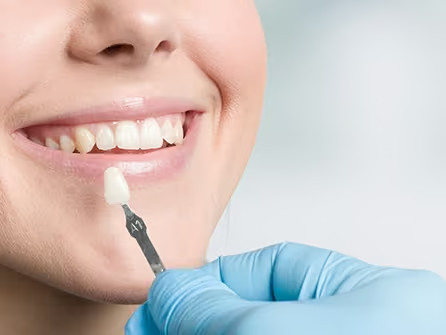
Dental Cleaning

What Is Dental Cleaning?

Dental cleaning, also known as professional teeth cleaning, is a preventive dental procedure that removes plaque, tartar, and surface stains from the teeth. It is performed by a dentist or dental hygienist to maintain healthy gums, prevent oral diseases, and keep your smile clean and fresh. Unlike routine brushing at home, professional dental cleaning reaches areas that are difficult to clean with a toothbrush and floss alone.

Why Is Dental Cleaning Important?

Even with good oral hygiene, plaque can build up over time and harden into tartar. If left untreated, this can lead to several oral health problems, including:

  • Gum disease and inflammation
  • Bad breath (halitosis)
  • Tooth decay and cavities
  • Bleeding gums
  • Tooth discoloration and staining
  • Increased risk of tooth loss

Regular dental cleaning helps prevent these issues, keeping your teeth and gums healthy while maintaining a bright smile

Types of Dental Cleaning

Dental cleaning is tailored to your oral health condition. The most common types include:

Routine (Prophylactic) Cleaning

This is recommended for patients with healthy teeth and gums. It focuses on removing plaque, tartar, and mild stains from the tooth surface and along the gumline. Routine cleaning helps maintain oral hygiene and is usually advised every six months.

Deep Cleaning (Scaling and Root Planing)

Deep cleaning is required when there are signs of gum disease or periodontal infection. It involves thorough removal of plaque and tartar from below the gumline and smoothing the tooth roots to promote gum reattachment and healing.

Gross Debridement Cleaning

This type of cleaning is performed when there is heavy plaque and tartar buildup that prevents a proper oral examination. It is often the first step before routine or deep cleaning can be completed. It helps restore gum health, removes stubborn stains, prevents tooth decay and improves overall oral hygiene.


How Dental Cleaning Treatment Works

Oral Examination

The dentist or hygienist examines your teeth and gums to check for plaque buildup, gum inflammation, or other concerns.

Plaque & Tartar Removal

Special instruments are used to remove hardened tartar and plaque from tooth surfaces and around the gumline.

Polishing

Teeth are polished using a professional paste to remove surface stains and smooth the enamel.

Flossing & Rinsing

Professional flossing removes remaining debris, followed by rinsing to clean the mouth thoroughly.

Fluoride Treatment (Optional)

In some cases, fluoride may be applied to strengthen enamel and protect against cavities.

Benefits of Dental Cleaning

Prevents Gum Disease

Regular cleaning reduces bacteria that cause gingivitis and periodontal disease.

Keeps Teeth Strong & Healthy

By removing plaque, dental cleaning lowers the risk of cavities and enamel damage.

Improves Breath

Eliminating bacteria and food debris helps maintain fresh breath.

Enhances Smile Appearance

Cleaning removes stains caused by food, beverages, and tobacco.

Supports Overall Health

Healthy gums contribute to better overall health and reduce the risk of systemic conditions.

How Often Should You Get Data Cleaning?

Most patients benefit from dental cleaning every six months. However, individuals with gum disease, diabetes, or a history of plaque buildup may require more frequent visits. Regular cleanings help detect early signs of oral health issues before they worsen, allowing for timely intervention. For patients with braces or implants, cleaning may be recommended more often due to the presence of harder-to-reach areas where plaque and bacteria can accumulate. It is essential to maintain a personalized cleaning schedule based on your dentist's recommendation to ensure optimal oral health. Consistent visits not only keep your teeth and gums healthy but also help prevent more serious conditions, saving you from costly treatments in the future.

Frequently Asked Questions

Dental cleaning is generally comfortable. Some sensitivity may occur if there is heavy tartar or gum inflammation.

A routine dental cleaning typically takes 30–60 minutes.

Cleaning removes surface stains, making teeth appear brighter, but it is not the same as professional teeth whitening.

Yes. If fluoride is applied, your dentist may advise waiting 30 minutes before eating or drinking.

Yes. Regular dental cleaning is safe and essential for maintaining children’s oral health.

No. Professional dental cleaning is safe and helps protect enamel when done correctly.

Chat with Clinic