

Dental braces are orthodontic devices that gently move your teeth into proper alignment using brackets, wires, and bands. Braces not only improve the appearance of your smile but also support better oral health by correcting bite issues and improving chewing function.
Braces are ideal for:
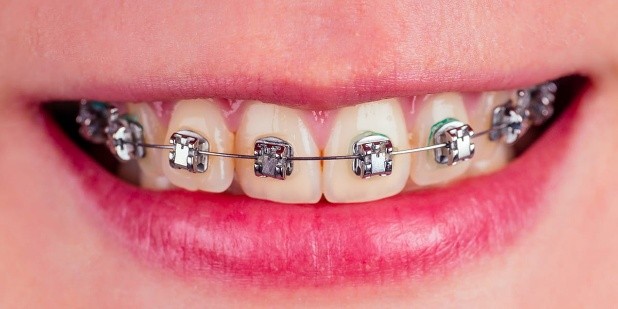
Traditional metal braces are the most commonly used and time-tested orthodontic appliance. They are made of high-grade stainless steel and consist of brackets attached to the teeth, connected by an archwire.
Ceramic braces function similarly to metal braces but use tooth-colored or clear brackets, making them less noticeable. This esthetic advantage makes them especially popular among adults and older teenagers.
Self-ligating braces are a modern advancement in orthodontic treatment. Instead of elastic bands, they use a built-in clip or sliding mechanism to hold the archwire in place. This design reduces friction, which can improve comfort.
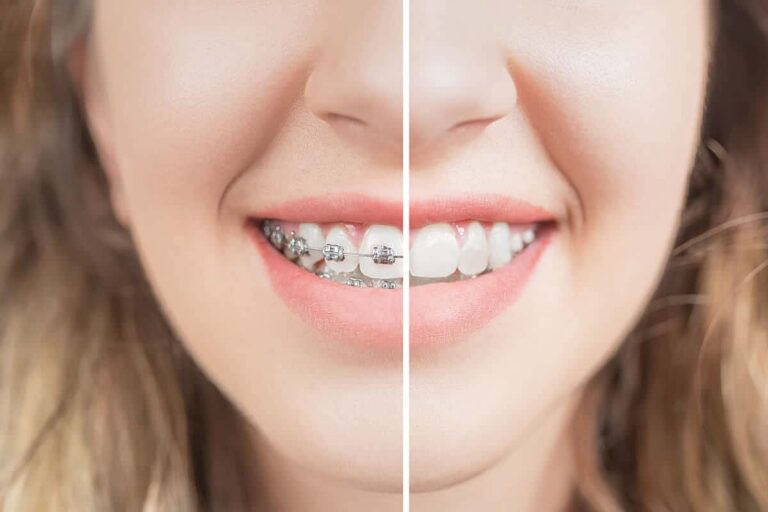
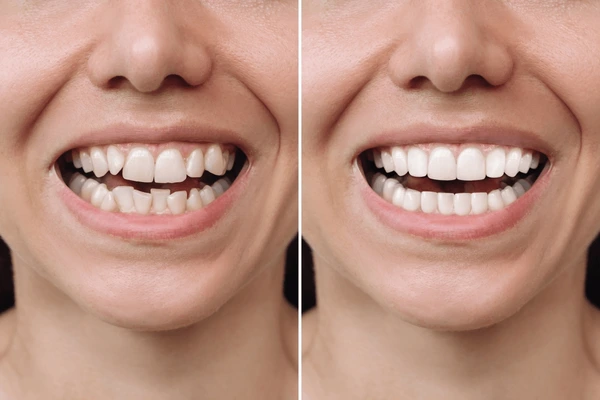
Dental braces gradually align your teeth, giving you a more attractive smile. Straight teeth not only enhance your facial aesthetics but also boost self-esteem, making you feel more confident while speaking, smiling, or interacting socially.
Misaligned teeth can lead to overbite, underbite, crossbite, or open bite, which affect chewing and speaking. Braces correct these bite issues, improving functionality and reducing strain on your jaw muscles and joints, preventing long-term complications like TMJ disorders.
Crowded or crooked teeth create hard-to-reach areas, where plaque and bacteria can accumulate, increasing the risk of cavities and gum problems. Properly aligned teeth make brushing and flossing much easier, helping maintain better oral hygiene throughout life.
Straight teeth and a proper bite distribute chewing forces evenly, reducing abnormal wear on teeth. Braces also minimize areas prone to bacterial buildup, lowering the risk of tooth decay, gum disease, and bad breath. Investing in braces now helps protect your oral health for years to come.
Braces help in preventing problems like jaw misalignment, tooth loss, and bite-related headaches. They can reduce the need for complex dental procedures later in life by addressing issues early.
Braces are suitable for children, teens, and adults. Early assessment around age 7–8 can help detect future alignment issues, but adults can also benefit from orthodontic treatment.
Treatment typically lasts 12–24 months, depending on the severity of misalignment and the type of braces. Your orthodontist will provide a personalized timeline.
You may feel mild discomfort or pressure for a few days after adjustments. This is normal and usually manageable with over-the-counter pain relief.
Certain foods (hard, sticky, or chewy) should be avoided to prevent damage to braces. Soft and balanced diets are recommended during treatment.
Initially, you may notice slight changes in speech, but most patients adapt within a few days.
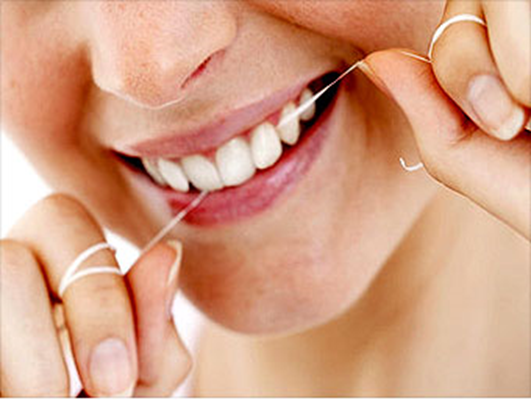
Brushing and flossing are essential. Use a soft-bristled toothbrush, interdental brushes, and fluoride toothpaste to clean around brackets and wires.