


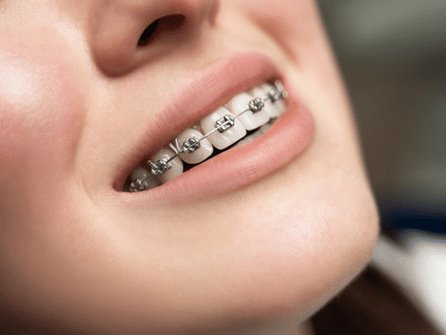
Dental Crown

What Is a Dental Crown?

A dental crown is a custom-made “cap” that completely covers a damaged, weakened, or discolored tooth to restore its strength, shape, size, and appearance. Crowns are crafted to match your natural teeth in colour and contour, providing both functional support and esthetic enhancement. They protect compromised teeth from further damage and help restore proper chewing and bite function.

Why Choose a Dental Crown?

Your dentist may recommend a dental crown when a tooth is too damaged for a simple filling or other restoration. Common reasons include:

  • Protecting a tooth after root canal treatment
  • Restoring a fractured, cracked, or worn-down tooth
  • Strengthening a tooth with a large filling
  • Enhancing the appearance of discolored or misshapen teeth
  • Covering a dental implant crown support
    Improving chewing function and bite balance

Dental crowns help preserve the remaining natural tooth structure, prevent further deterioration, and improve overall smile harmony.


Types of Dental Crowns

Different materials are used to make crowns, each with specific advantages depending on your needs:

Porcelain or All-Ceramic Crowns

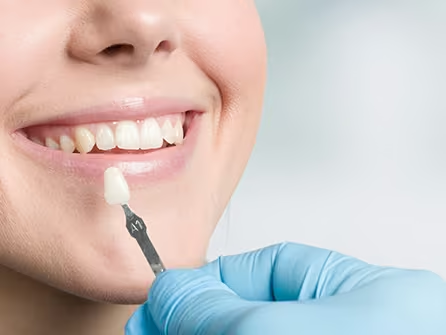
These crowns provide the most natural appearance because they mimic the translucency and colour of natural teeth.

Porcelain-Fused-to-Metal (PFM) Crowns

A metal base gives strength, while the porcelain exterior provides a tooth-like appearance. These are durable and aesthetically versatile.
Metal Crownsn

Made from gold alloys or base-metal alloys, metal crowns are highly durable and resistant to wear. They rarely chip and require minimal reduction of teeth treatment.

Zirconia Crowns

Zirconia crowns offer a strong, natural-looking restoration with excellent biocompatibility and durability. They are suitable for both front and back teeth.

Composite Resin or Temporary Crowns

These are less expensive and often used as temporary restorations while the permanent crown is being made.


How Dental Crown Treatment Works

Initial Evaluation

The dentist examines your tooth and may take X-rays to assess the extent of damage and decide on the best crown option.

Tooth Preparation

The tooth is gently reshaped under local anesthesia so the crown can fit securely.

Impression Taking

An impression or digital scan is taken to create an exact model of your tooth.

Temporary Crown Placement

A temporary crown protects the prepared tooth while your custom crown is being fabricated.

Final Crown Placement

Once ready, the final crown is checked for fit, colour, and comfort, then permanently cemented in place.

Benefits of Dental Crowns

Protects and Strengthens Teeth

Crowns safeguard weakened or damaged teeth, preventing further decay or fractures.

Keeps Teeth Strong & Healthy

By removing plaque, dental cleaning lowers the risk of cavities and enamel damage.

Restores Tooth Functionality

You’ll be able to chew, bite, and speak comfortably with improved dental function.

Enhances Appearance

Custom shading and shaping allow crowns to blend seamlessly with your natural teeth.

Long-Lasting Solution

With proper care, crowns can last many years, making them a reliable restorative option.

Frequently Asked Questions

No, the procedure is typically comfortable thanks to local anesthesia. Some sensitivity may occur afterward but usually subsides quickly.

Most crowns last 10 years or more with good oral hygiene and regular dental check-ups.

Yes, crowns — especially porcelain or zirconia — can be matched in colour and shape to your teeth for a natural look.

Yes. After a short adjustment period, most patients eat and chew normally.

Crowns provide a more durable and protective restoration when a tooth is too damaged for a filling.

Chat with Clinic