

Dental Veneers

What Are Dental Veneers?

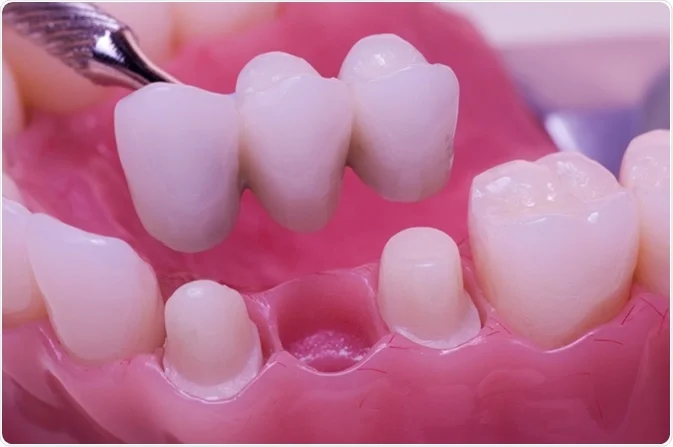
Dental veneers are thin, custom-made shells placed over the front surface of teeth to improve their appearance. They help cover discoloration, chips, cracks, gaps, or uneven teeth, giving you a naturally beautiful, balanced smile. Veneers are a popular cosmetic dental solution for anyone looking to enhance their smile with a long-lasting, polished result.

Why Choose Dental Veneers?

Veneers are ideal for addressing cosmetic issues that cannot be fully corrected with whitening or minor dental procedures. They help:

  • Conceal deep stains or discoloration
  • Cover chips, cracks, or worn teeth
  • Close small gaps between teeth
  • Improve uneven or misaligned teeth
  • Lengthen short or irregularly shaped teeth

With veneers, patients achieve a seamless, confident, and natural-looking smile.

Types of Dentures

Dentures are tailored to suit each patient’s oral condition. The main types include:

Complete (Full) Dentures

Used when all teeth in a jaw are missing, full dentures replace both upper and/or lower teeth. Conventional dentures are made after the gums have healed following tooth removal. Immediate dentures are placed immediately after tooth extraction, allowing you to maintain appearance during healing. Benefits: Restore complete chewing function and improve facial aesthetics.

Partial Dentures

Partial Dentures Designed for patients with some remaining natural teeth, partial dentures fill the gaps and prevent surrounding teeth from shifting. Usually attached with metal clasps or precision attachments. Can be removed for cleaning. Benefits: Protects natural teeth from shifting, restores partial chewing and speech, and improves smile aesthetics.

Implant-Supported Dentures

Implant-supported dentures attach to dental implants anchored in the jawbone, offering superior stability and comfort. Snap-in dentures are removable but stable. Fixed dentures are permanently attached and can only be removed by a dentist. Benefits: Excellent stability, improved chewing efficiency, prevents bone loss, and feels closer to natural teeth.


How Denture Treatment Works

Consultation & Assessment

Your dentist evaluates your teeth, smile goals, and oral health.

Tooth Preparation 

For most veneers, a small amount of enamel is removed for a perfect fit.

Impressions & Design

Custom impressions or scans are taken to match shape, size, and color.

Fabrication

Porcelain veneers are made in a lab; composite veneers may be done in a single visit.

Placement & Bonding

Veneers are bonded with dental cement and secured for a lasting fit.

Follow-Up 

Check-ups ensure comfort, proper bite, and optimal aesthetics.

Benefits of Dental Veneers

Natural-looking smile

Mimics tooth enamel in texture and color.

Stain resistance 

Porcelain veneers resist coffee, tea, and tobacco stains.

Durable & long-lasting 

Porcelain veneers can last 10–15+ years.

Customizable

Shape, size, and color can be tailored to your smile.

Boosts confidence 

Enhances self-esteem and social comfort.

Aftercare Tips

Precautions:

• Brush and floss regularly to maintain oral hygiene.
• Avoid biting hard objects to prevent chipping.
• Schedule regular dental check-ups.
• For composite veneers, avoid foods and drinks that cause staining.

Frequently Asked Questions

Yes, especially porcelain veneers, which closely mimic natural tooth enamel.

Porcelain veneers require enamel removal and are permanent; composite veneers may be more reversible.

Porcelain veneers typically last 10–15 years or more with proper care.

Patients should have healthy teeth and gums; any decay or gum disease must be treated first.

No special tools are needed; just maintain regular oral hygiene and avoid excessive force on teeth.

Chat with Clinic