

Dentures

What Are Dentures?

Dentures are removable dental appliances designed to replace missing teeth and surrounding gum tissue. They restore both the function and aesthetics of your mouth, allowing you to chew, speak, and smile confidently. Dentures can be full (replacing all teeth in a jaw) or partial (filling gaps when some natural teeth remain).

Why Choose Dentures?

Missing teeth can cause multiple issues, including:

  • Difficulty chewing and digesting food properly
  • Speech problems, such as slurring or lisping
  • Facial sagging and premature aging due to lack of support
  • Shifting of remaining teeth, which can lead to bite imbalance
  • Reduced self-confidence, affecting social and professional life

Dentures provide a practical, comfortable, and aesthetically pleasing solution to these problems, helping you regain both function and confidence.


Types of Dentures

Dentures are tailored to suit each patient’s oral condition. The main types include:

Complete (Full) Dentures

Used when all teeth in a jaw are missing, full dentures replace both upper and/or lower teeth. Conventional dentures are made after the gums have healed following tooth removal. Immediate dentures are placed immediately after tooth extraction, allowing you to maintain appearance during healing. Benefits: Restore complete chewing function and improve facial aesthetics.

Partial Dentures

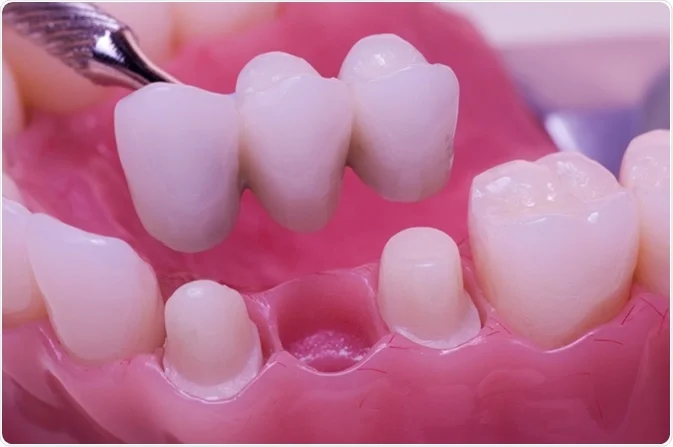
Partial Dentures Designed for patients with some remaining natural teeth, partial dentures fill the gaps and prevent surrounding teeth from shifting. Usually attached with metal clasps or precision attachments. Can be removed for cleaning. Benefits: Protects natural teeth from shifting, restores partial chewing and speech, and improves smile aesthetics.

Implant-Supported Dentures

Implant-supported dentures attach to dental implants anchored in the jawbone, offering superior stability and comfort. Snap-in dentures are removable but stable. Fixed dentures are permanently attached and can only be removed by a dentist. Benefits: Excellent stability, improved chewing efficiency, prevents bone loss, and feels closer to natural teeth.


How Denture Treatment Works

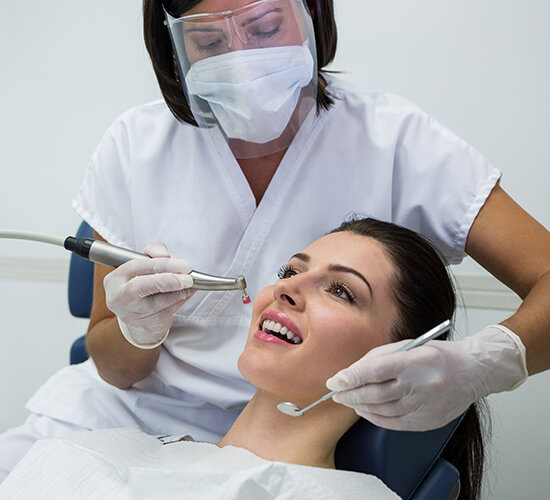
Consultation & Oral Assessment

Your dentist examines your mouth, gums, and jawbone and discusses your goals, lifestyle, and the best denture options.

Impressions & Measurements

Detailed impressions of your gums and bite are taken to create accurately fitting dentures that ensure comfort and proper function.

Try-In & Adjustments

A trial denture may be provided to check fit, bite, and appearance. Adjustments are made before final fabrication.

Final Denture Fabrication

Using high-quality materials, your dentures are custom-made to match natural tooth shape, size, and color.

Placement & Follow-Up

Your dentures are fitted, bite alignment is checked, and comfort ensured. Follow-up visits help fine-tune the fit and address any sore spots.

Benefits of Dentures

Restores chewing and speaking ability 

Allows you to enjoy a wide range of foods and speak clearly.

Enhances facial appearance 

Supports lips and cheeks to prevent a sunken look.

Boosts confidence

A complete, natural-looking smile improves self-esteem.

Protects remaining teeth

Partial dentures prevent neighboring teeth from drifting.

Non-invasive and cost-effective

Especially compared to some fixed tooth replacement options.

Customizable 

Dentures can be tailored to tooth color, shape, and alignment for natural aesthetics.

Aftercare Tips for Dentures

Precautions:

• Clean daily with a soft denture brush and mild cleanser.
• Soak dentures overnight to maintain shape and hygiene.
• Remove dentures before sleeping to allow gum tissue to rest.
• Handle with care to avoid dropping and breaking.
• Attend regular dental checkups to ensure dentures fit properly as gums and jawbone change.

Frequently Asked Questions

Some adjustment is normal at first, including slight pressure or sore spots. These usually resolve within a few weeks.

With proper care, dentures last 5–10 years, though relining or replacement may be needed as your mouth changes.

Yes. Initially, soft foods are recommended. Most patients adapt quickly to eat a variety of foods comfortably.

Yes. Well-fitted dentures restore proper tongue placement and bite, helping you speak clearly.

Implant-supported dentures offer greater stability and comfort, especially for lower jaw replacements, and can prevent bone loss.

Yes. Modern dentures are custom-designed to match your natural teeth in shape, size, and color, providing a seamless smile.

Chat with Clinic