Metal Dental Bridge
Strong and functional, but metal-coloured. It may be considered for less visible areas when appearance is not the main priority.
Replace missing teeth with a carefully planned dental bridge designed around your bite, supporting teeth and appearance preferences.
At DentoXpert Dental Clinic in Thane, each dental bridge is planned after examining the condition of the supporting teeth, the position of the gap and the patient’s treatment requirements.
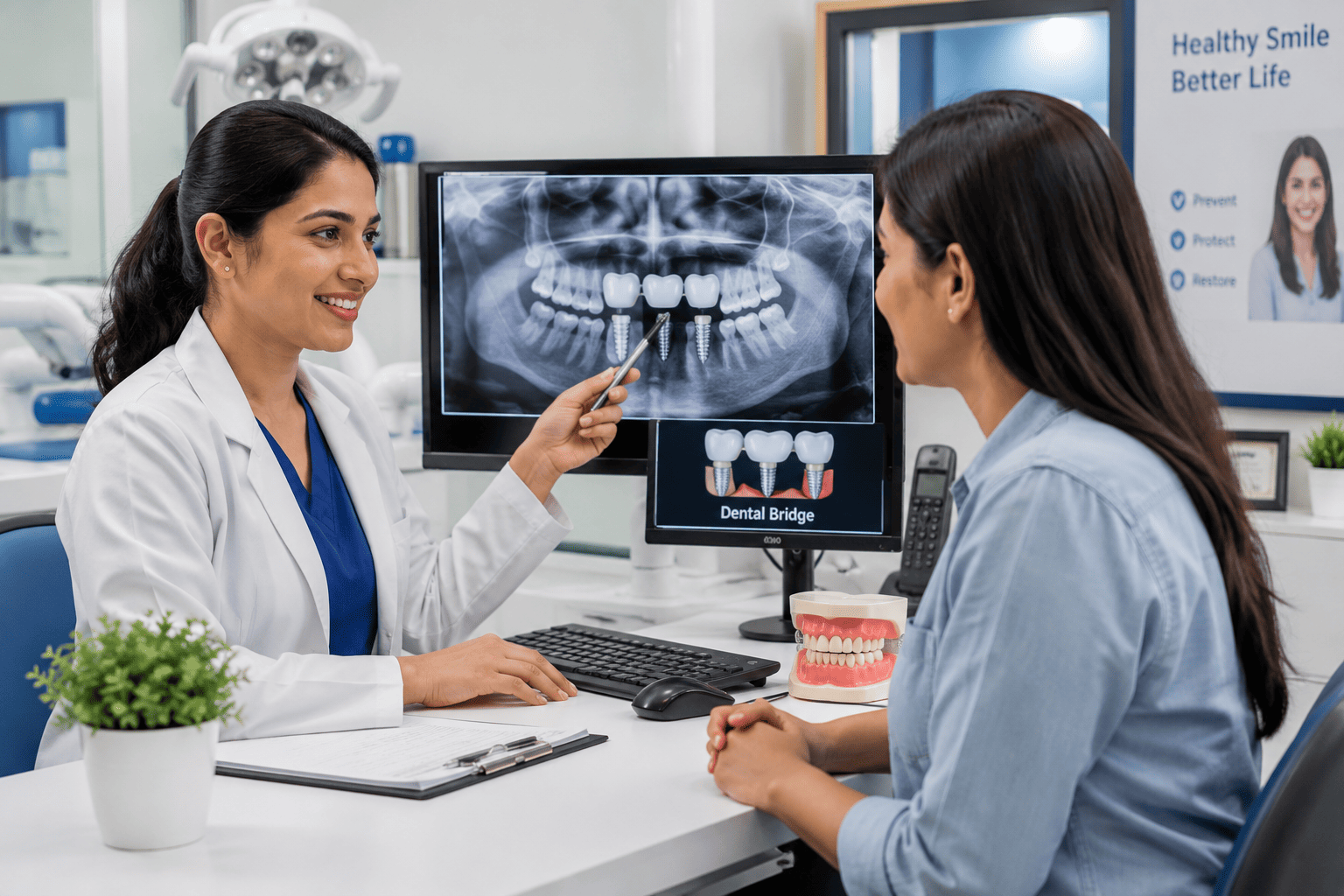
A bridge may be an option for replacing one or more missing teeth when there is adequate support and the mouth is healthy enough for treatment.
Replace a missing tooth that affects the appearance and balance of your smile.
Restore support in the gap so food can be chewed more comfortably.
Filling the gap may help reduce unwanted movement of neighbouring teeth.
Replacing missing teeth may support a more balanced bite and clearer speech.
The right material depends on the location and length of the bridge, available support, biting forces, appearance expectations and budget.
Strong and functional, but metal-coloured. It may be considered for less visible areas when appearance is not the main priority.
A metal framework covered with tooth-coloured porcelain. It combines structural support with a more natural appearance.
A tooth-coloured, metal-free ceramic known for strength. Its suitability depends on the bridge design and the patient’s bite.
Selected mainly for a natural-looking result, particularly in visible areas. The design must suit the clinical situation.
Depending on the selected bridge material, manufacturer, dental laboratory, treatment plan and clinical eligibility, warranty options may be available for different durations.

Dental bridge treatment is completed through a series of carefully planned steps. The number of visits may vary depending on the bridge type and the condition of the supporting teeth.
The dentist examines the missing tooth area, supporting teeth, gums and bite. X-rays or scans may be advised.
The bridge type, material, shade, expected visits, treatment cost and applicable warranty are discussed.
Supporting teeth are prepared where required. A dental impression or digital scan is then taken.
A temporary restoration may be provided while the final dental bridge is being prepared.
The final bridge is checked for fit, bite, comfort and appearance before being securely placed.
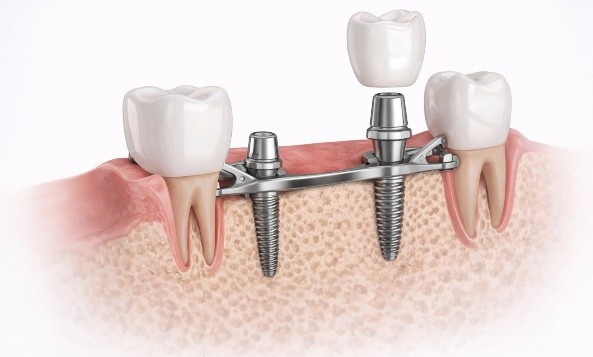
Daily cleaning is important because plaque and food can collect around the supporting teeth and beneath the replacement tooth.
Brush twice daily and clean under the bridge using the method recommended by your dentist.
Use floss threaders, interdental brushes or another suitable aid where advised.
Avoid biting very hard objects and mention any clenching or grinding habits to your dentist.
Attend recommended examinations and professional cleaning appointments.
Contact the clinic if the bridge feels loose, painful or uncomfortable.
A fixed bridge is attached to supporting teeth or implants and is not removed at home.
There is no single best material for everyone. The choice depends on the bridge position and design, bite, support, appearance requirements and budget.
Its lifespan varies. Oral hygiene, supporting teeth, bridge design, biting forces, habits and regular maintenance all influence longevity.
No. Warranty availability and duration depend on the selected product or laboratory plan, clinical eligibility and written conditions.
Conventional bridges usually require preparation of the supporting teeth. Other designs, including adhesive or implant-supported options, are assessed separately.
Visit DentoXpert Dental Clinic for an examination and discuss the bridge design, material options, expected treatment process, cost and any applicable written warranty plan.