Teeth and Wisdom Tooth Surgery
Surgical removal of impacted, difficult or deeply positioned teeth when routine extraction is not suitable.
Accurate diagnosis, advanced imaging and carefully planned surgical care for complex dental, jaw and facial conditions.
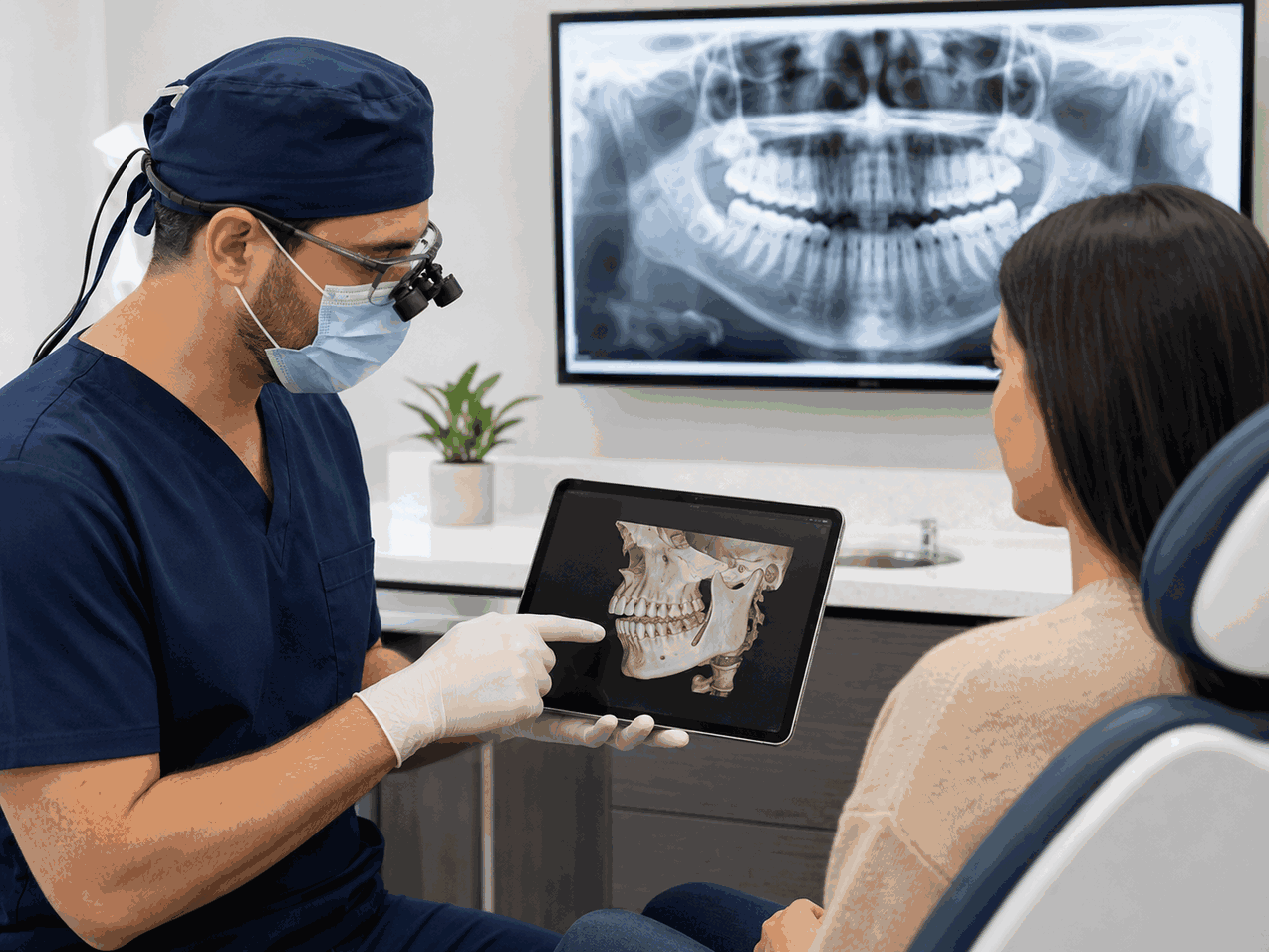
It is a dental surgical specialty concerned with conditions affecting the teeth, mouth, jaws and related facial structures.
Surgical removal of impacted, difficult or deeply positioned teeth when routine extraction is not suitable.
Assessment of selected cysts, swellings, lesions, unerupted teeth, jaw joint concerns and bite-related problems.
Specialist evaluation of injuries affecting the teeth, mouth, jaws and facial bones.
Medical history, clinical findings and imaging are reviewed before recommending surgery or referral.
Recommendations depend on the diagnosis, condition complexity, imaging findings and the patient’s general health.
Assessment and removal of wisdom teeth causing pain, infection, decay, gum disease, cyst formation or damage to neighbouring teeth.
Removal of teeth that cannot be safely treated through a routine extraction because of their position, condition or root anatomy.
Assessment, biopsy or removal of selected cysts, swellings and abnormal oral tissues to establish a diagnosis.
Dental implant placement and bone grafting where clinically indicated to support missing-tooth replacement.
Surgical exposure of selected unerupted teeth as part of a coordinated orthodontic treatment plan.
Specialist evaluation of jaw joint, bite and jaw alignment concerns that may require further management.
Assessment of trauma affecting the teeth, mouth, jaws and facial bones, with hospital referral where necessary.
Some procedures are suitable for the dental clinic, while complex cases may require hospital-based care.
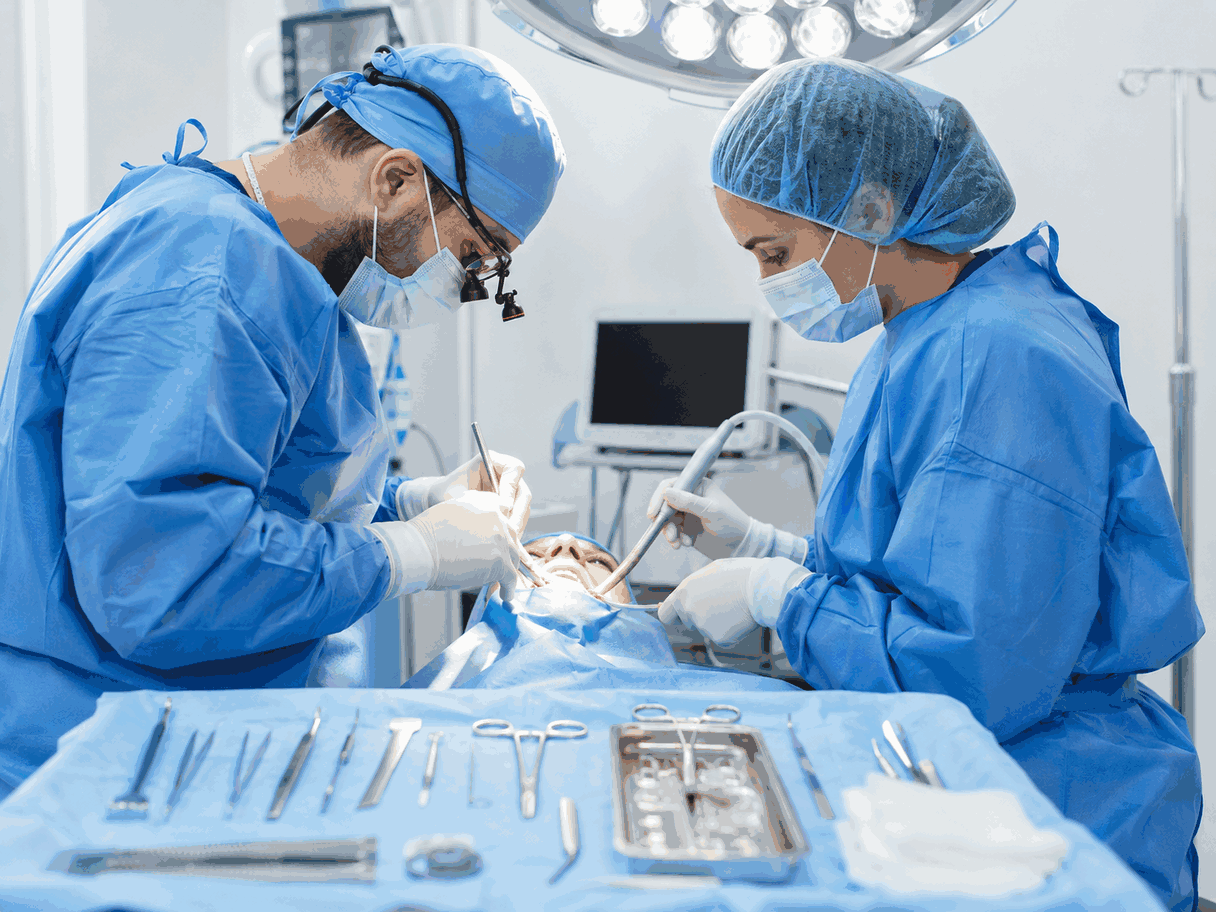
Arrange an assessment when a condition cannot be managed with routine dental treatment or when symptoms suggest a deeper problem involving the mouth, jaw or facial structures.
Each stage is planned around the diagnosis, procedure complexity, anaesthesia requirements and individual medical and dental needs.
Symptoms, medical and dental history, current medicines and previous treatment are reviewed before examination.
Dental X-rays, CBCT scans or other investigations may be advised to confirm the diagnosis.
The procedure, alternatives, expected benefits, risks, anaesthesia and recovery are explained.
Treatment is performed using suitable techniques and equipment in the appropriate care setting.
Post-operative instructions and follow-up visits support healing and review investigation results.
Recovery varies according to the procedure and the patient’s health. Temporary soreness, swelling, bruising, mild bleeding or jaw stiffness may occur.
Your surgeon will provide advice specific to the diagnosis and planned procedure.
Not always. The surgeon selects imaging according to the condition. Some cases need only a dental X-ray, while others may benefit from a three-dimensional CBCT scan.
Anaesthesia is used to control discomfort during the procedure. Some soreness and swelling may occur afterwards and are managed according to the surgeon’s instructions.
No. The safest setting depends on the procedure complexity, the form of anaesthesia and your health. Some cases may require treatment or referral in a hospital setting.
Recovery time varies with the procedure and the individual. The surgeon will provide guidance after assessing your case rather than giving one fixed timeline for every surgery.
Visit DentoXpert Dental Clinic for specialist evaluation of impacted wisdom teeth, difficult extractions, jaw cysts, mouth lesions, implant surgery, facial injuries and other selected mouth and jaw conditions.