What Is Cleft Lip and Cleft Palate?
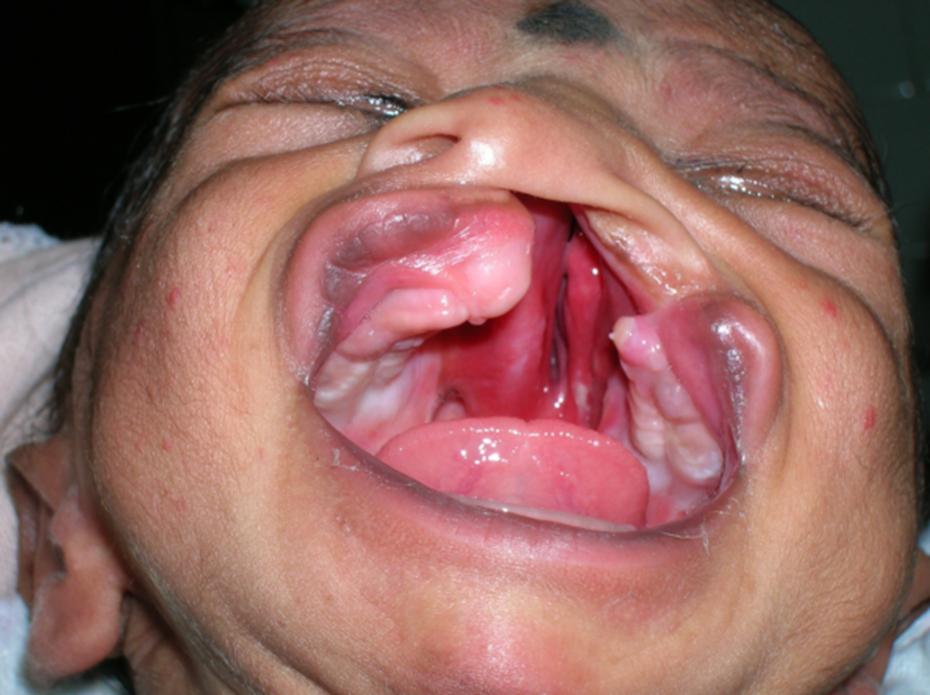
Cleft lip and cleft palate are congenital conditions that develop before birth. A cleft is a gap, fissure or opening that occurs when parts of the lip or palate do not join completely during development.
Cleft lip may affect one or both sides of the upper lip. Cleft palate affects the roof of the mouth and may occur independently or together with cleft lip.
Early evaluation is important because cleft lip and palate can influence feeding, speech, hearing, dental development and facial growth.
Causes and Risk Factors
Development of the face occurs during the early weeks of pregnancy. Several genetic, environmental and maternal factors may influence the risk of cleft lip or cleft palate.
- Family or genetic factors
- Certain viral infections during pregnancy
- Exposure to radiation
- Maternal stress or illness
- Certain medicines during pregnancy
- Vitamin A or B deficiency
- Anaemia
- Excessive alcohol consumption
- Smoking or exposure to tobacco smoke
- Maternal age and other medical conditions
Problems Associated with Cleft Lip and Palate
Depending on the type and severity of the cleft, a child may experience functional, dental and developmental problems.
- Nasal asymmetry or changes in the shape of the nose may occur in some children with cleft lip.
- Feeding can be difficult because a cleft palate may prevent the child from creating adequate suction.
- Milk may pass into the nose during feeding.
- Speech development may be affected and speech therapy may be required.
- Ear infections and hearing-related concerns may occur.
- Tooth eruption and dental alignment may be affected around the cleft area.
- Jaw growth and facial development may require monitoring as the child grows.
Feeding Care for Babies with Cleft Palate
Babies with cleft palate may have difficulty creating the negative pressure normally required for breastfeeding or bottle feeding. Special feeding techniques or feeding devices may therefore be recommended.
- Specially designed bottles or nipples with a larger opening may make feeding easier.
- Expressed breast milk may be given using an appropriate bottle, cup or spoon when advised.
- Feed the baby in a more upright position rather than completely lying down.
- Frequent burping may be required because the child may swallow more air during feeding.
- Feeding methods should be discussed with the child's paediatric or cleft-care team.
Speech and Development
Some children with cleft palate may develop speech difficulties. Speech evaluation and therapy can help improve pronunciation, resonance and communication as the child grows.
Hearing should also be monitored because middle-ear problems can sometimes influence speech development.
Treatment of Cleft Lip and Palate
Treatment depends on the child's age, type of cleft and individual developmental requirements. Care is usually planned in stages.
Main Objectives of Treatment
- Surgically correct the cleft and improve facial form.
- Support normal feeding and nutrition.
- Facilitate clearer speech development.
- Support normal chewing and dental function.
- Monitor facial and jaw growth.
- Correct dental problems associated with the cleft.
Multidisciplinary Cleft Care
Complete management of cleft lip and palate often involves specialists from different medical and dental fields. Coordinated care helps address functional, dental, speech and aesthetic requirements as the child develops.
- Plastic or cleft surgeon
- Oral and maxillofacial surgeon
- ENT specialist
- Orthodontist
- Paediatric dentist
- Speech therapist
- Paediatrician
- Other specialists where required
Surgical Management
The timing of surgery is decided by the treating cleft team according to the child's health, growth, type of cleft and other clinical factors.
Cleft lip repair is commonly performed during infancy. Cleft palate repair is generally planned later as the child grows. Additional procedures may sometimes be required for speech, jaw growth, nose shape or dental development.
Surgical timing and treatment plans vary for each child. Parents should follow the recommendations of the child's cleft-care specialists.
Conclusion
Cleft lip and cleft palate require coordinated care from childhood through different stages of development. Early assessment, appropriate feeding support, surgery, dental care, orthodontics and speech therapy can help improve function, appearance and quality of life.
Parents should work closely with an experienced multidisciplinary team and attend regular follow-up visits so the child's growth, speech, hearing and dental development can be monitored appropriately.
Frequently Asked Questions
What is a cleft lip?
A cleft lip is a congenital opening or gap in the upper lip caused when facial tissues do not join completely during development before birth.
What is a cleft palate?
A cleft palate is an opening in the roof of the mouth that develops when the tissues forming the palate do not completely join before birth.
Can cleft palate affect feeding?
Yes. A baby with cleft palate may have difficulty creating adequate suction and may require modified feeding techniques or specially designed feeding bottles.
Can cleft palate affect speech?
Yes. Some children may experience speech difficulties and may benefit from speech evaluation and therapy during development.
Does cleft lip and palate require a team of specialists?
Often yes. Treatment may involve surgeons, paediatric dentists, orthodontists, ENT specialists, speech therapists and other healthcare professionals.