Introduction
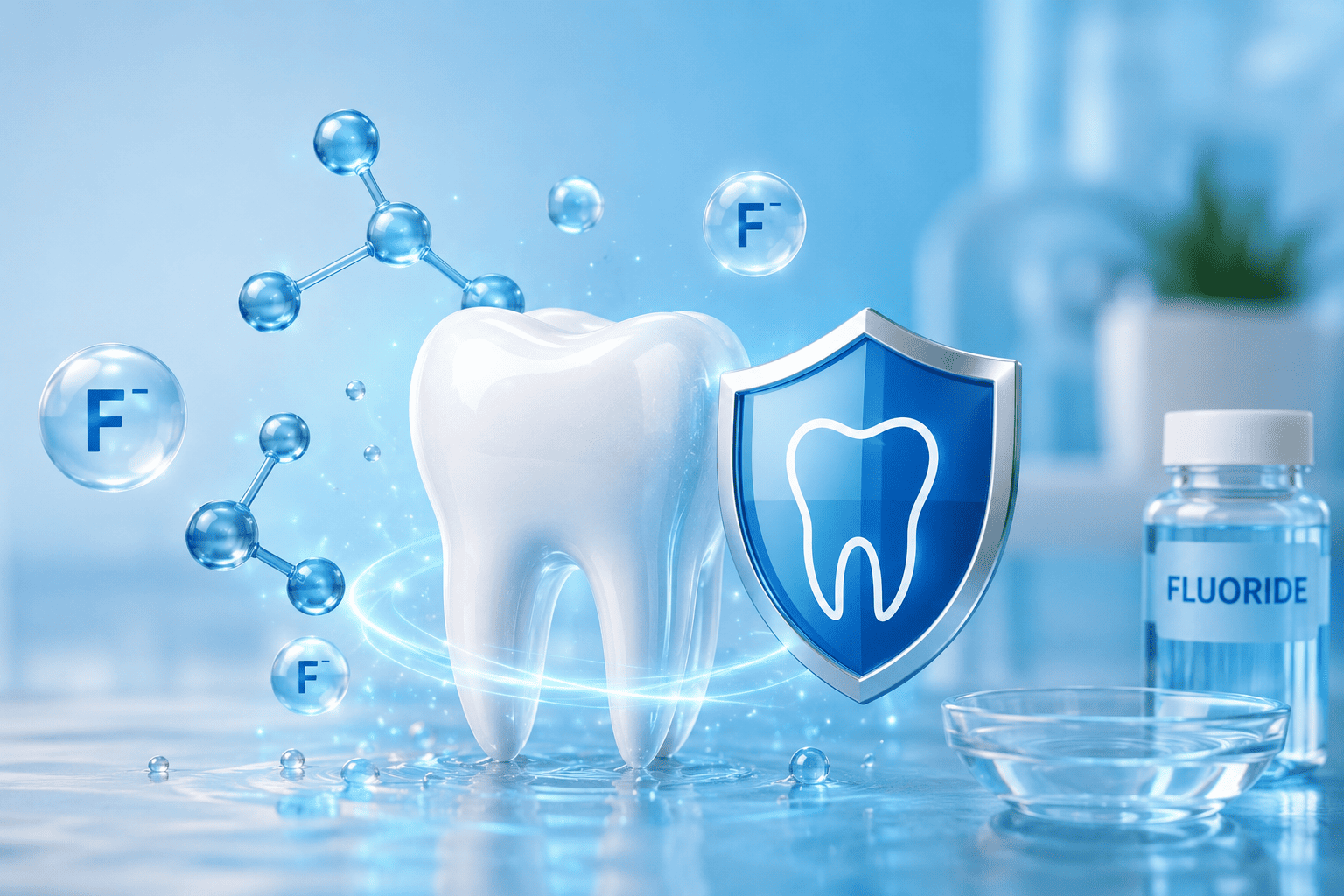
Fluoride is a highly electronegative element that does not normally exist freely in nature. It combines with other elements to form fluoride compounds. Fluoride is present in the lithosphere, hydrosphere, atmosphere and living organisms. It can enter the environment through natural processes and interactions involving soil, water and atmospheric conditions.
Importance of Fluoride for Teeth
- Fluoride is commonly associated with reducing the prevalence of dental decay.
- Exposure to fluoride before tooth eruption may help make teeth more resistant to decay.
- Tooth enamel contains hydroxyapatite crystals. Fluoride can interact with these crystals and support stronger enamel structures.
- Fluoride-containing enamel may be more resistant to acid attack.
- Fluoride may reduce the ability of plaque bacteria to produce enamel-damaging acids.
- Fluoride can support remineralisation and help strengthen weakened areas of enamel.
Fluoride may help strengthen enamel, support remineralisation and improve resistance against acid-related tooth damage when used appropriately.
Methods of Fluoride Administration
Fluoride may be administered through systemic or topical methods depending on the dental requirement.
Systemic Fluoride
Systemic fluoride is ingested and may become available to developing teeth through the body.
- Dietary fluoride
- Fluoridated salt or other dietary sources
- Water fluoridation
- School water fluoridation programmes
- Milk fluoridation where applicable
Topical Fluoride
Topical fluoride is applied directly to the tooth surface.
- Professionally applied fluoride gels
- Fluoride varnishes
- Fluoride-containing toothpaste
- Other dentist-recommended topical products
Fluoride in Drinking Water
The natural fluoride concentration in drinking water varies between geographical areas. Different regions may have low, adequate or excessive fluoride levels depending on groundwater composition and environmental conditions.
In India, fluoride levels can vary across states and districts. Areas using groundwater should follow local water-quality guidance and testing recommendations.
Hazards of Excess Fluoride
Fluoride should be used in an appropriate quantity. Excessive fluoride exposure, particularly during the development of permanent teeth, may affect enamel formation.
- Excess fluoride during enamel development may lead to dental fluorosis.
- Mild fluorosis may produce white lines, streaks or patches on the tooth surface.
- Greater exposure may produce brown staining, surface roughness or enamel defects.
- Fluoride-containing products should not be swallowed.
- Children should use an age-appropriate quantity of toothpaste under adult supervision.
What Is Dental Fluorosis?
Dental fluorosis is a change in the appearance of tooth enamel caused by excessive fluoride intake while permanent teeth are developing. Once teeth have completely erupted, fluoride exposure does not create new fluorosis in those already developed teeth.
Cause of Dental Fluorosis
Developing enamel may be more sensitive to excessive fluoride. The enamel-forming process may be altered, resulting in changes to mineralisation and the final appearance of the tooth surface.
Appearance of Teeth Affected by Fluorosis
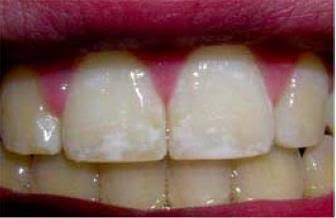
Mild Fluorosis
Faint white lines, streaks or small cloudy areas may appear while the tooth surface remains generally smooth.
Moderate Fluorosis
Visible white or brown areas, staining and changes in the enamel surface may occur.
Severe Fluorosis
Extensive staining, enamel pitting and irregularities may require professional dental evaluation.
Treatment of Dental Fluorosis
Treatment depends on the severity of fluorosis, the appearance of the teeth and the amount of enamel affected.
Treatment for Mild Cases
- Enamel microabrasion may remove a small amount of affected surface enamel.
- Professional polishing may improve minor surface discolouration.
- Dentist-supervised bleaching may be considered for selected cases.
Treatment for Moderate Cases
- Tooth-coloured composite restorations may help mask visible areas.
- Dental veneers may be considered after clinical evaluation.
Treatment for Severe Cases
- Severely affected teeth may require crowns or other restorative treatment.
- The treatment plan depends on enamel condition, tooth structure and patient requirements.
Fluoride Precautions
- Children should use an age-appropriate quantity of fluoride toothpaste.
- Young children should be supervised while brushing.
- Avoid applying more toothpaste than recommended.
- Use dentist-prescribed fluoride products only as directed.
- Professionally applied fluoride should be used under qualified dental guidance.
- Keep fluoride-containing dental products away from very young children.
This page provides general dental-health information. Fluoride requirements and fluorosis treatment vary by patient. Consult a qualified dentist for diagnosis and personalised advice.
Frequently Asked Questions
How does fluoride help protect teeth?
Fluoride supports enamel remineralisation and improves resistance against acid-related damage when used appropriately.
What is dental fluorosis?
Dental fluorosis is a change in enamel appearance caused by excessive fluoride intake while permanent teeth are still developing.
Can dental fluorosis be treated?
Treatment may include polishing, microabrasion, bleaching, composite restorations, veneers or crowns depending on severity.
How much toothpaste should children use?
Children should use an age-appropriate amount of toothpaste and should be supervised while brushing.