What Is Teething?
Teething is the stage when a baby's first set of teeth, also called milk teeth or primary teeth, begins to erupt into the mouth. It is a normal part of a child's growth and development.
Teething generally begins when a baby is around 6 months old. However, in some children it may start as early as 3 months or as late as 12 months of age.
When Do Babies Start Teething?
In most babies, the first milk teeth begin to appear at around 6 months of age. However, every child develops differently. Some babies may start teething earlier while others may not show their first tooth until closer to 12 months.
The timing of tooth eruption can therefore vary from one child to another and does not always happen at exactly the same age.
How Do You Know If Your Child Is Teething?
A baby who is teething may show changes in behaviour or in the appearance of the gums. Some common signs include:
- Your child may become more irritable, cranky or fussy than usual.
- The gums may appear red, swollen or sensitive.
- The child may show reluctance to eat because the gums feel uncomfortable.
- Your baby may have difficulty getting a sound sleep at night.
- A common behaviour during teething is frequent biting or sucking on objects within reach.
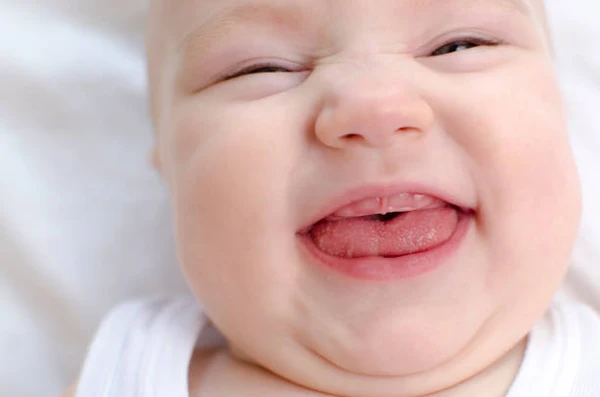
Red and Swollen Gums During Teething
As the developing tooth begins to push through the gum, the surrounding gum tissue may become red, swollen or tender.
This sensitivity may make some babies uncomfortable and can contribute to irritability, increased biting and temporary changes in eating habits.
Changes in Eating and Sleeping During Teething
Some children may become reluctant to eat while teething because pressure on swollen gums can cause discomfort.
Teething discomfort may also disturb the baby's normal sleeping pattern. Some children may become restless or may not sleep as comfortably as usual.
Why Do Babies Bite During Teething?
One of the commonly observed behaviours during teething is that babies begin biting or sucking on whatever objects they can reach.
This behaviour may occur because pressure from biting can temporarily feel soothing when the gums are swollen or sensitive due to an erupting tooth.
Are Fever and Diarrhoea Caused by Teething?
Fever and diarrhoea may sometimes be noticed around the time when a child is teething.
However, the direct relationship between fever, diarrhoea and teething has not been proven.
In many children, teething occurs without fever, diarrhoea or any other significant symptoms.
What Causes Discomfort During Teething?
Development of the teeth begins while the baby is still inside the mother's womb. Tooth formation starts during pregnancy, even before the child is born.
Between approximately 6 and 12 months after birth, the milk teeth are usually ready to begin erupting.
During eruption, the teeth gradually push through the gums. This pressure on the gum tissue can cause temporary swelling, sensitivity and discomfort.
What Parents Should Know About Baby Teething
- Teething is a normal part of a baby's development.
- Most babies begin teething at around 6 months of age.
- The first tooth can appear earlier or later in some children.
- Red or swollen gums are common during tooth eruption.
- Babies may become irritable or more restless than usual.
- Some babies may temporarily change their eating or sleeping habits.
- Increased biting or sucking is commonly seen during teething.
- Some babies may have almost no noticeable symptoms while their teeth erupt.
Conclusion
Teething is a natural developmental stage that usually begins around the middle of a baby's first year. As the milk teeth start pushing through the gums, parents may notice red or swollen gums, increased irritability, biting behaviour and temporary changes in eating or sleeping.
The exact age and symptoms can differ from one child to another. Some babies experience noticeable discomfort, while others may go through the teething process with very few symptoms.
Understanding the normal signs of teething can help parents recognise this important stage as their child's first teeth begin to appear.
Frequently Asked Questions About Teething
At what age do babies usually start teething?
Teething commonly begins at around 6 months of age. However, some babies may start as early as 3 months, while others may begin closer to 12 months.
What are the common signs of teething in babies?
Common signs can include irritability, red or swollen gums, reluctance to eat, disturbed sleep and increased biting or sucking behaviour.
Can a baby have teething without symptoms?
Yes. In many babies, milk teeth may erupt without significant or noticeable symptoms.
Does teething cause fever or diarrhoea?
Fever and diarrhoea may sometimes be noticed around the teething period, but a direct relationship between these symptoms and teething has not been proven.
Why do babies bite things while teething?
Babies commonly bite or suck objects while teething. Pressure from biting may feel soothing when the gums are swollen or sensitive.
Why do gums become swollen during teething?
The gums may become swollen or sensitive because the developing tooth gradually pushes through the gum tissue.