Introduction
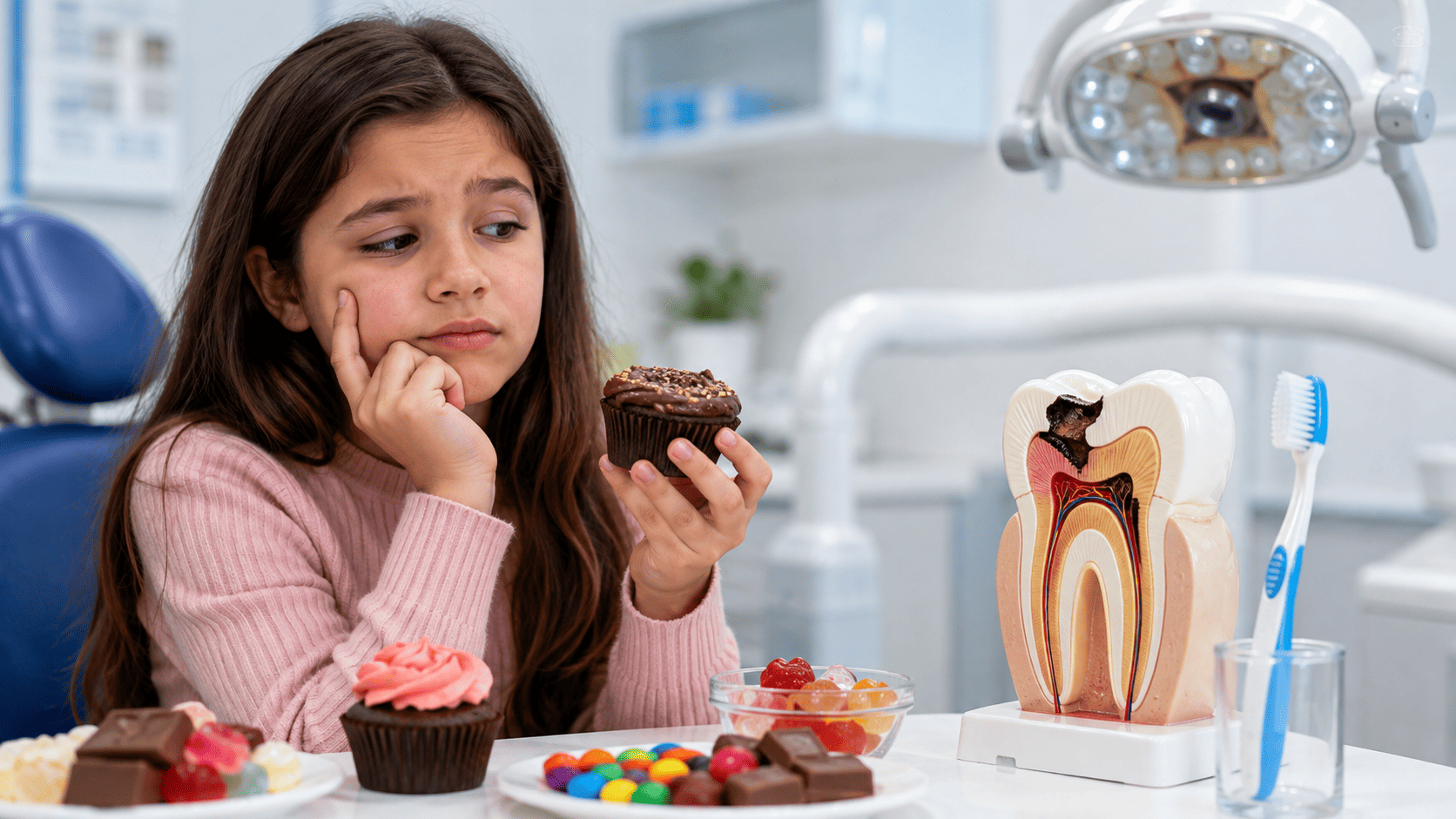
During Diwali, Christmas and summer holidays, children often have a lot of free time. Because they are not occupied with regular routines, they may feel like eating whatever is available in the form of hidden snacks, chocolates, biscuits and sugary foods. This habit of eating frequently in between meals is called untimely snacking and it can be unhealthy for dental health.
Eating snacks frequently between meals is called untimely snacking. It is an unhealthy eating habit and can increase the risk of tooth decay.
Ill Effects of Untimely Snacking
- Healthy food habits support healthy gums and healthy teeth.
- When we eat frequently, food remains in the oral cavity and can affect gum and tooth health.
- Untimely snacking throughout the day increases the chance of tooth decay.
- Food with fermentable carbohydrates and sugar reacts with bacteria present in the mouth.
- Sugar acts as food for bacteria, allowing them to produce acid.
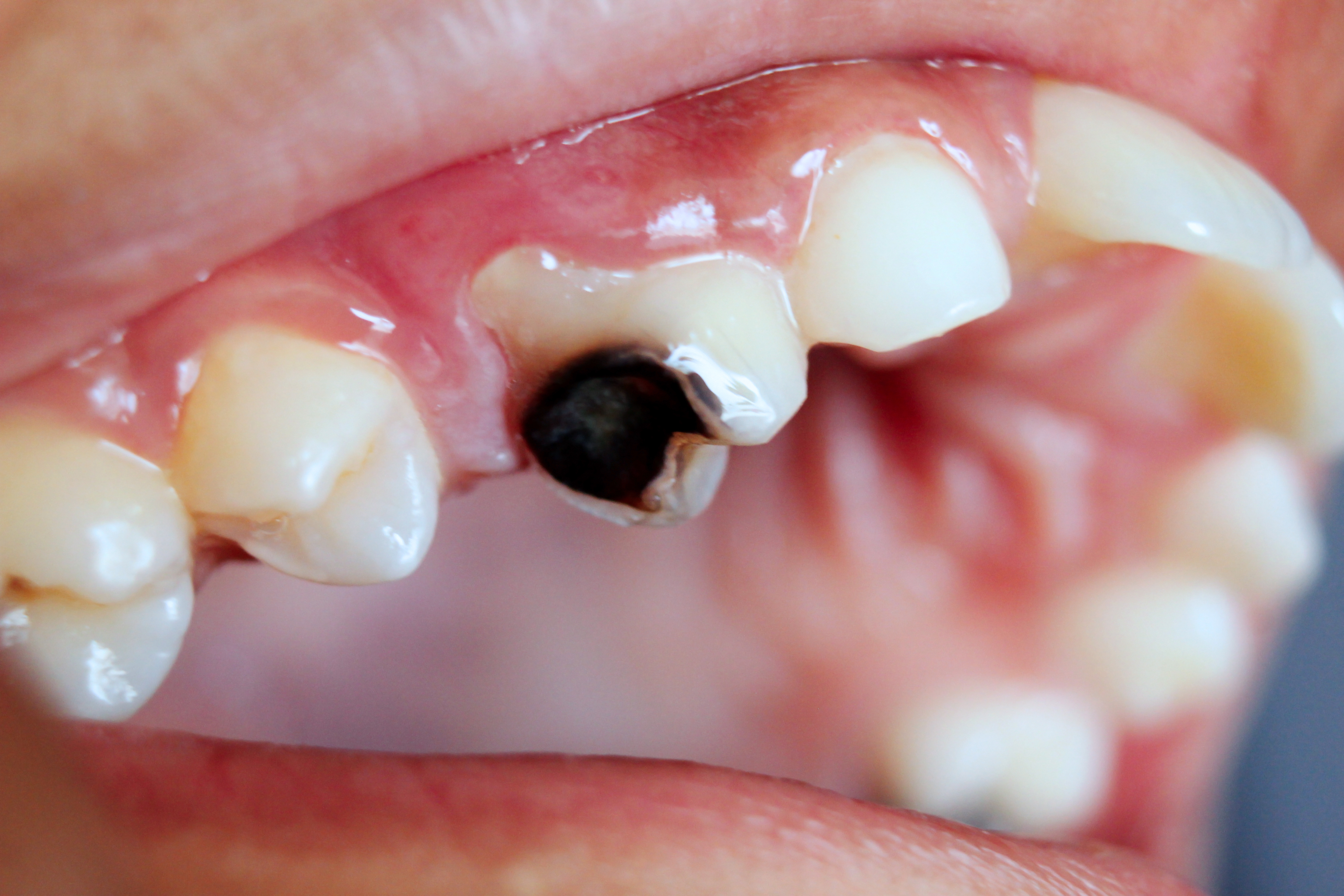
How Untimely Snacking Damages Teeth
- Frequent snacking leads to release of acid in the mouth.
- This acid slowly demineralises the enamel of the tooth.
- The demineralisation may continue for about 20 to 30 minutes after every meal or snack.
- During a meal, saliva flow increases and its buffering capacity helps neutralise the acid attack and supports remineralisation.
- When snacking happens repeatedly in between meals, demineralisation keeps occurring and saliva does not get enough time to remineralise the teeth.
- Over time this process can lead to the formation of dental cavities.
Prevention
- A well-balanced diet supports a healthy body and healthy teeth.
- Rinse your mouth after every meal.
- Avoid eating in between meals as much as possible.
- Give enough time for saliva to carry out its cleansing action.
- Drink plenty of water, ideally around 8 glasses a day.
- Brush twice daily.
- Visit your dentist every six months.
- Change your toothbrush every three months.
- Clean in between teeth using dental floss or an interdental brush.
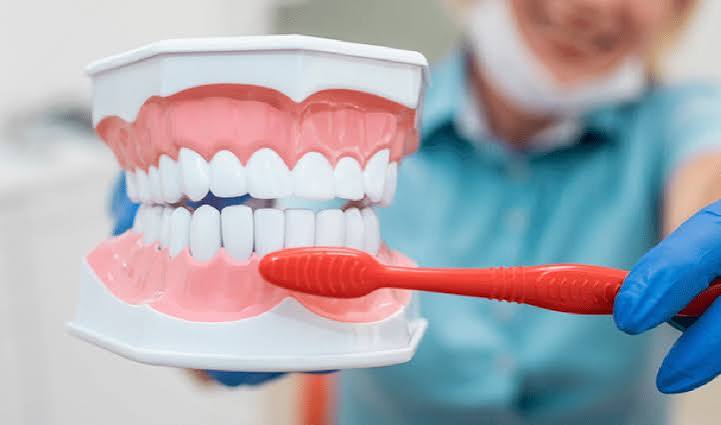
Food and Oral Health Tips
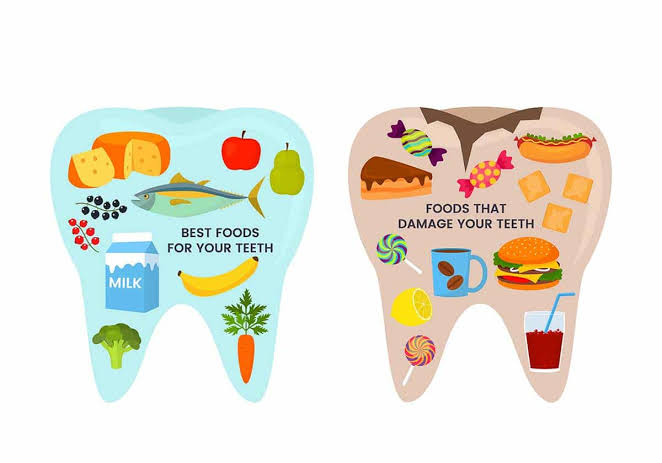
- Avoid junk food and aerated drinks.
- Sticky food causes more decay than non-sticky food.
- Avoid overuse of chocolates, biscuits and wafers.
- Limit the use of sugar-containing aerated drinks.
- Include cereals, vegetables, fruits, meat, fish and proteins.
- Milk products like yoghurt and cheese can be useful as part of a regular diet.
- Completely avoiding sugar and fermentable carbohydrates can be difficult, so it is better to take them as part of proper meals.
- During meals, saliva secretion increases and helps neutralise acids more efficiently.
- Sugarless chewing gum after meals may increase saliva flow and reduce the chance of decay.
Conclusion
The goal is not simply to stop eating the foods you like, but to choose food wisely, eat at the right time and maintain good oral hygiene. Smart food habits and proper dental care can help you enjoy eating while protecting your teeth throughout life.
Frequently Asked Questions
What is untimely snacking?
Untimely snacking means eating snacks repeatedly in between meals, especially sugary or sticky foods that can increase the risk of tooth decay.
Why is frequent snacking harmful to teeth?
Frequent snacking encourages repeated acid attacks in the mouth, which may slowly weaken enamel and increase the chance of cavities.
Which foods are worse for teeth during snacking?
Sticky, sugary foods such as chocolates, biscuits, wafers and sweetened drinks are more likely to contribute to decay.
How can I reduce the harmful effects of snacking?
Try to avoid repeated snacking between meals, rinse your mouth after eating, drink water, brush twice daily and visit your dentist regularly.