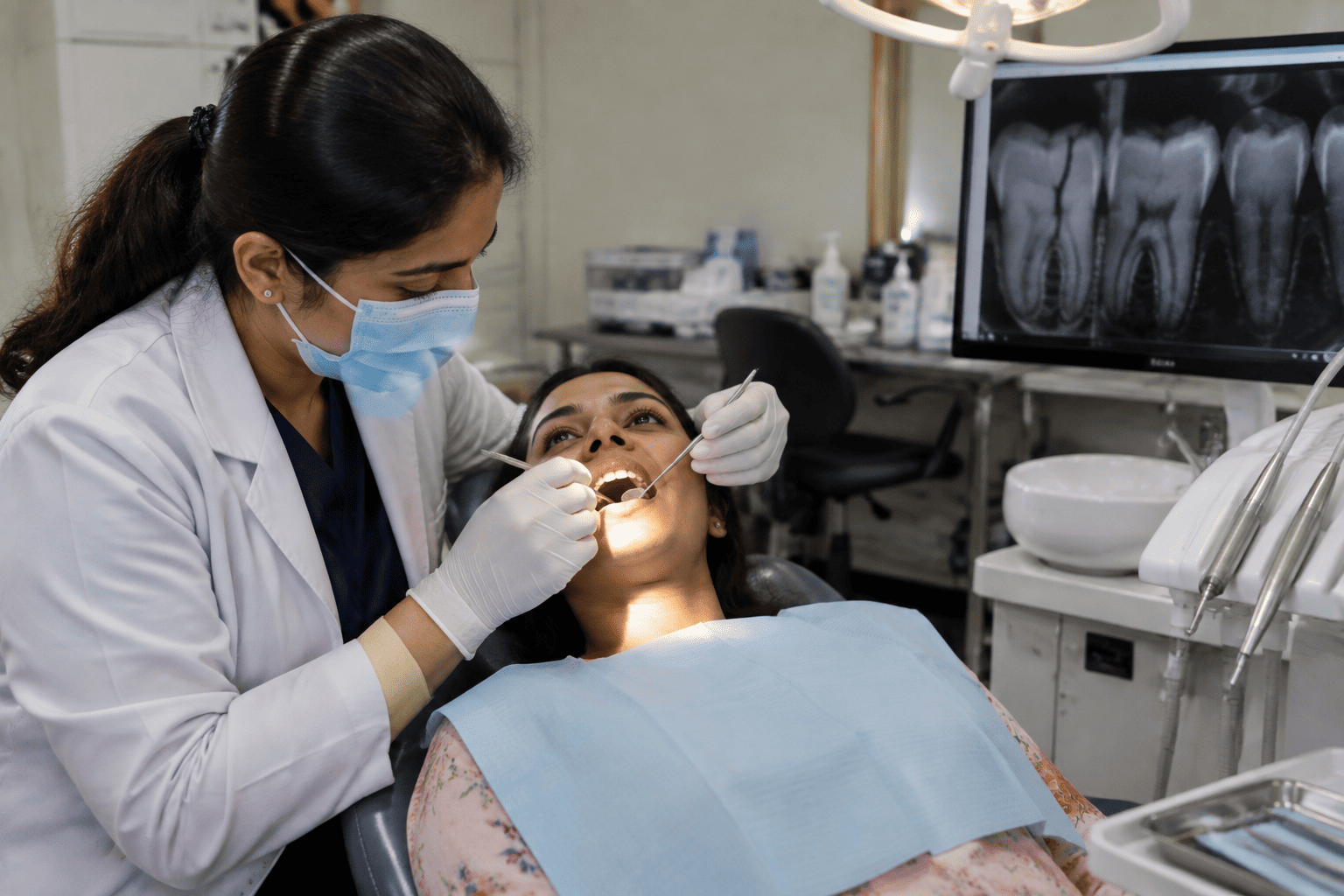
Cracked Tooth Symptoms: Can a Cracked Tooth Heal on Its Own?
A cracked tooth is a common dental problem that can happen due to injury, biting hard foods, teeth grinding, or weakening of the tooth structure over time. Some cracks may be very small and difficult to notice, while others can cause sudden pain and sensitivity.
Many people wonder whether a cracked tooth can heal naturally. Unlike a broken bone, a tooth cannot repair itself because the outer enamel does not contain living cells that can regenerate. Without proper treatment, a crack may become larger and affect the deeper parts of the tooth.
Understanding the symptoms and getting timely dental care can help prevent further damage and protect your natural tooth.
What Causes a Cracked Tooth?
A tooth can develop cracks for several reasons. Some common causes include:
Biting Hard Foods or Objects
Chewing hard foods like ice, hard candies, or using teeth to open packages can put excessive pressure on the tooth and increase the risk of cracks.
Teeth Grinding
Teeth grinding (bruxism) places continuous pressure on teeth, especially during sleep. Over time, this can weaken the tooth structure and lead to small cracks.
Large Fillings
Teeth with large fillings may become weaker over time because less natural tooth structure remains to support them.
Dental Trauma
Accidents, sports injuries, or a strong impact to the mouth can cause cracks or fractures in teeth.
Natural Tooth Wear
As teeth age, they may become more vulnerable to cracks due to years of chewing pressure and enamel wear.
Common Symptoms of a Cracked Tooth
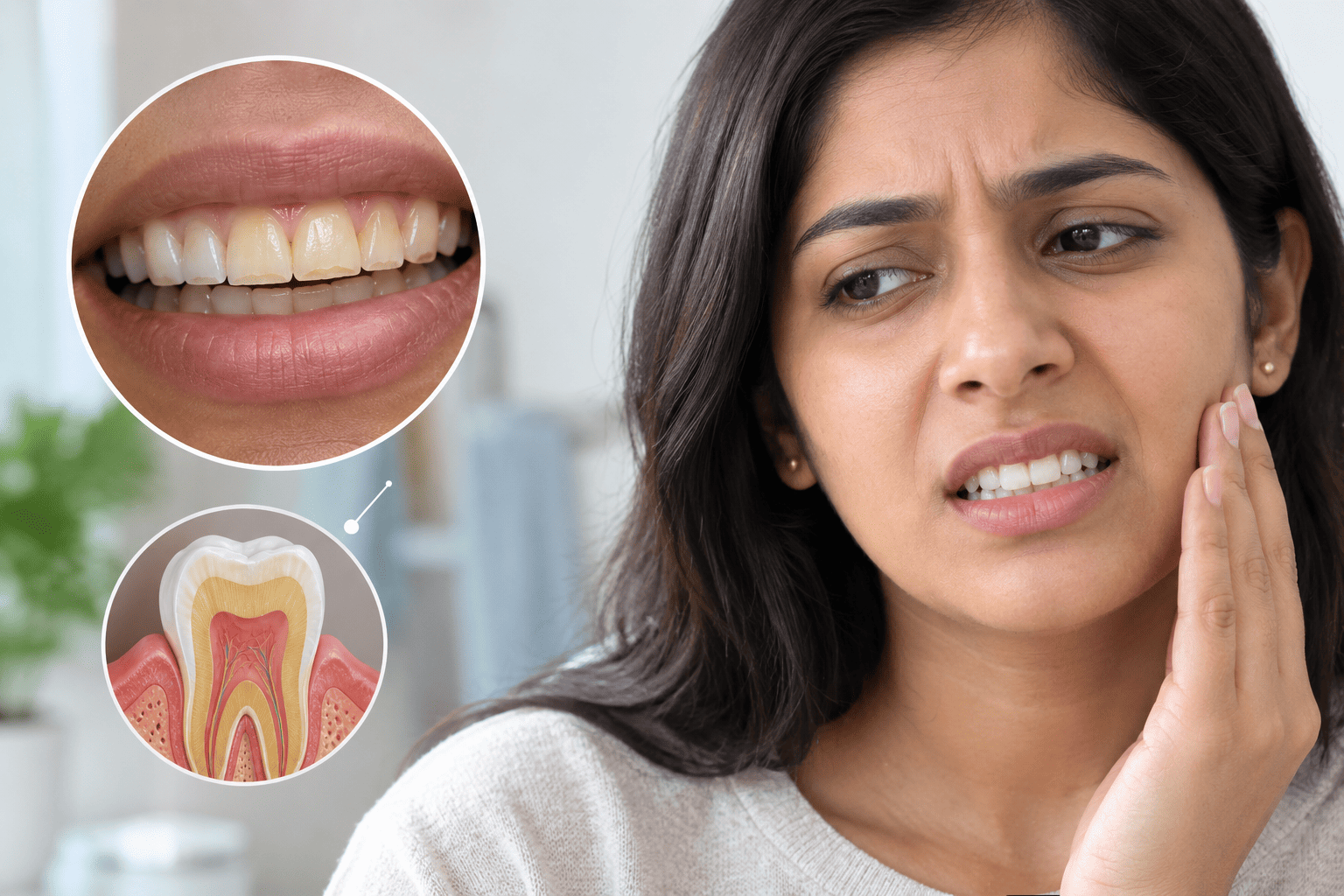
A cracked tooth does not always cause constant pain. Some people may experience occasional discomfort, while others may have severe symptoms.
Common signs include:
- Sharp pain while biting or chewing
- Pain that appears suddenly and disappears quickly
- Sensitivity to hot or cold foods
- Discomfort when releasing your bite
- Swelling around the gums
- Pain that becomes worse over time
One of the typical signs of a cracked tooth is pain that occurs only during certain movements, such as biting down or releasing pressure.
Can a Cracked Tooth Heal on Its Own?
A cracked tooth cannot heal on its own. While minor cracks may not immediately cause problems, the tooth structure cannot naturally repair itself.
Ignoring a crack can allow bacteria to enter deeper parts of the tooth, increasing the risk of:
- Tooth infection
- Severe pain
- Damage to the inner nerve
- Tooth fracture
The earlier a cracked tooth is diagnosed, the more options are available to protect and restore it.
Types of Cracked Teeth
The treatment depends on the type and severity of the crack.
Craze Lines
These are tiny surface cracks that usually affect only the outer enamel. They are common in adults and often do not require treatment unless they affect appearance or cause symptoms.
Fractured Cusp
This usually occurs around a filling and may cause pain while chewing. Treatment often involves restoring and protecting the affected area.
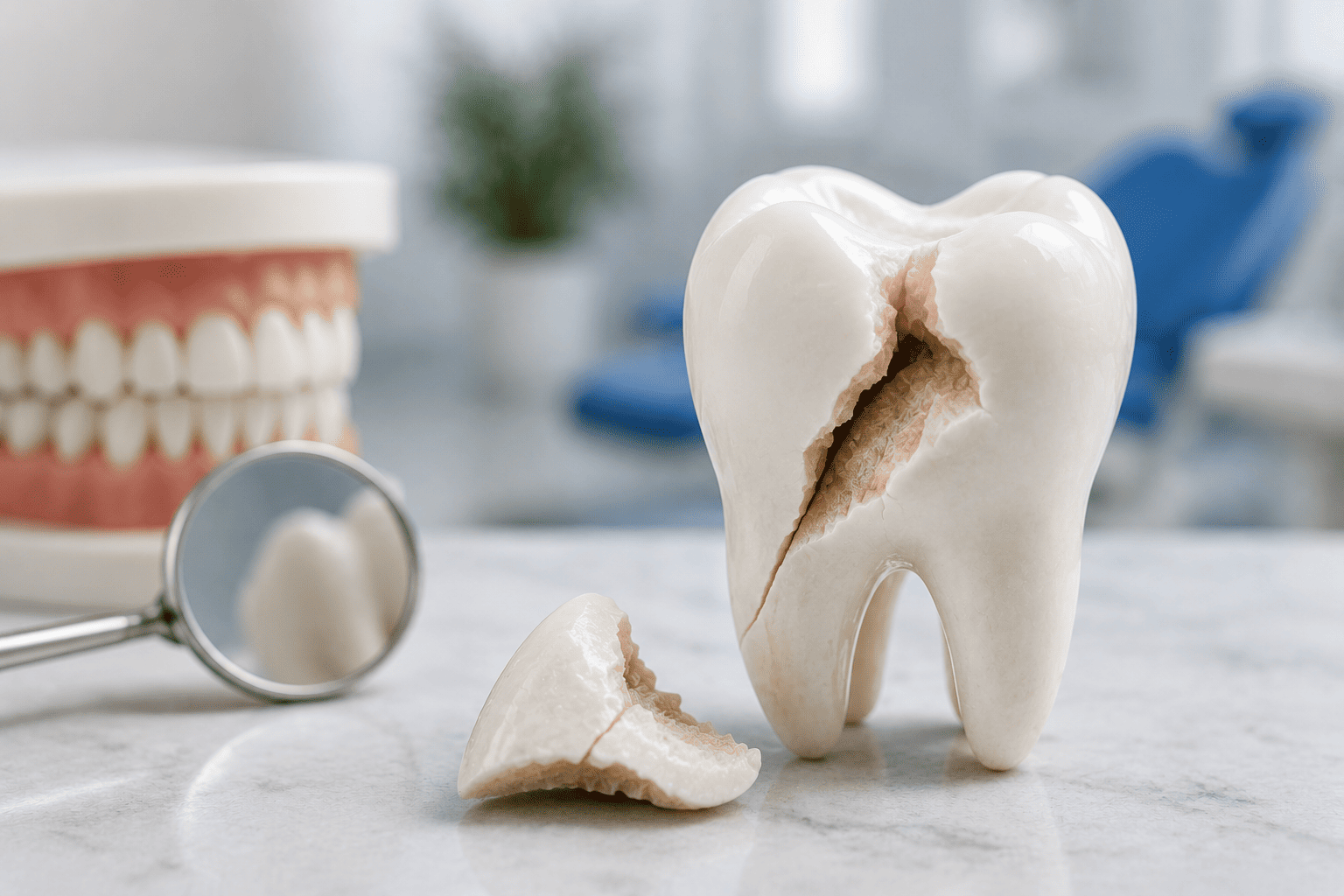
Cracked Tooth
A crack that extends from the chewing surface toward the root may require treatment to prevent further damage.
Split Tooth
A severely cracked tooth that separates into different parts may require more complex treatment, depending on the condition of the tooth.
How Is a Cracked Tooth Treated?
The treatment for a cracked tooth depends on the location and severity of the crack.
Possible treatment options include:
Dental Bonding or Filling
For minor cracks, bonding or filling may help restore the tooth structure.
Dental Crown
A crown is often recommended to protect a weakened tooth and prevent the crack from spreading.
Root Canal Treatment
If the crack reaches the inner part of the tooth and affects the nerve, Root Canal Treatment may be required to remove infection and preserve the tooth.
Tooth Removal
In cases where the tooth cannot be saved, extraction may be considered followed by suitable replacement options.
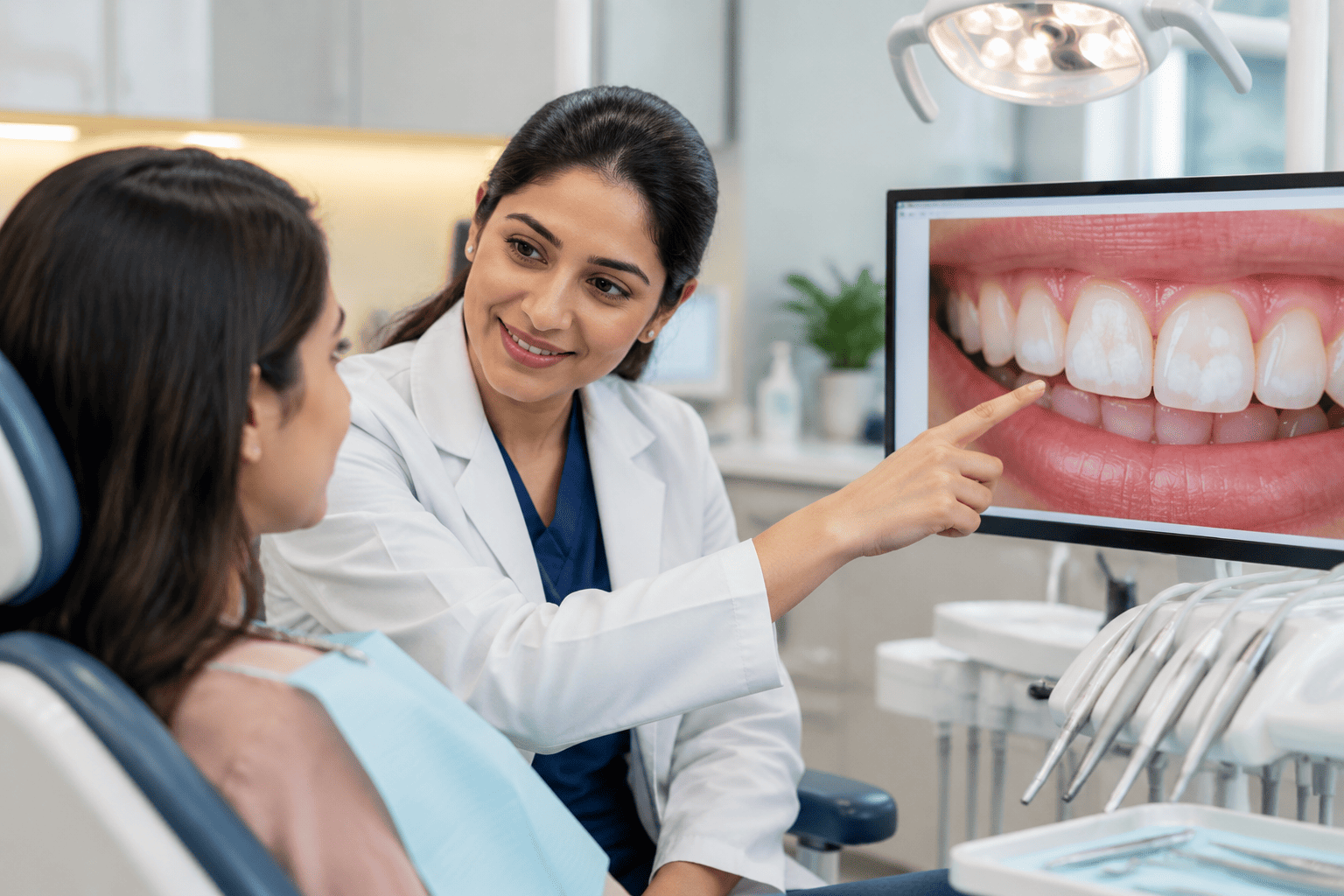
A dentist will examine the tooth and recommend the best solution based on your condition.
What Should You Do If You Suspect a Cracked Tooth?
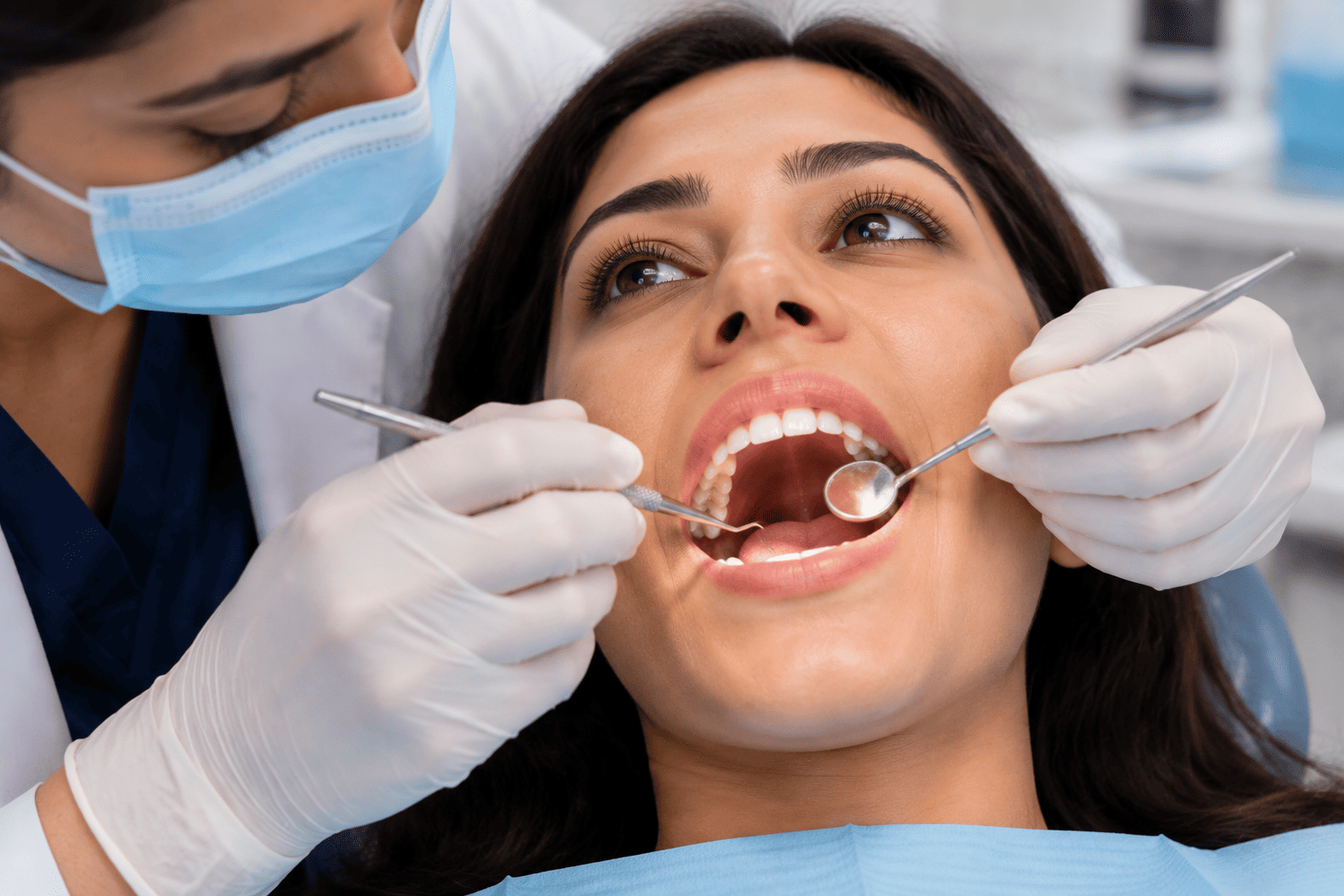
If you think you may have a cracked tooth, avoid chewing hard foods on that side and schedule a dental examination. Keeping the area clean and maintaining good oral hygiene can help reduce the risk of infection.
Do not wait for the pain to become severe, as a small crack can become more complicated over time. Early diagnosis gives a better chance of protecting the tooth.
When Should You Visit a Dentist?
You should consult a dentist if you experience:
- Sudden pain while biting
- Tooth sensitivity that does not improve
- Swelling around the tooth or gums
- A visible crack on the tooth
- Pain after a dental injury
A professional evaluation can identify the severity of the crack and prevent further complications.
How DentoXpert Can Help With a Cracked Tooth
At DentoXpert Dental Clinic in Thane, dentists carefully examine cracked teeth to understand the extent of damage and recommend suitable treatment. The focus is on preserving the natural tooth whenever possible and providing a comfortable treatment experience.
Depending on the condition, treatment options may include Dental Crowns, Root Canal Treatment, fillings, or other restorative procedures to strengthen and protect the tooth. With modern dental techniques and personalised care, DentoXpert helps patients manage cracked tooth problems effectively and maintain a healthy smile.
Conclusion
A cracked tooth cannot heal on its own and should not be ignored, even if the pain is occasional. Early diagnosis and timely treatment can prevent infection, reduce discomfort, and improve the chances of saving the natural tooth.
If you are experiencing cracked tooth symptoms in Thane, consult DentoXpert Dental Clinic for professional dental evaluation and treatment.