Why Does My Tooth Hurt Suddenly?
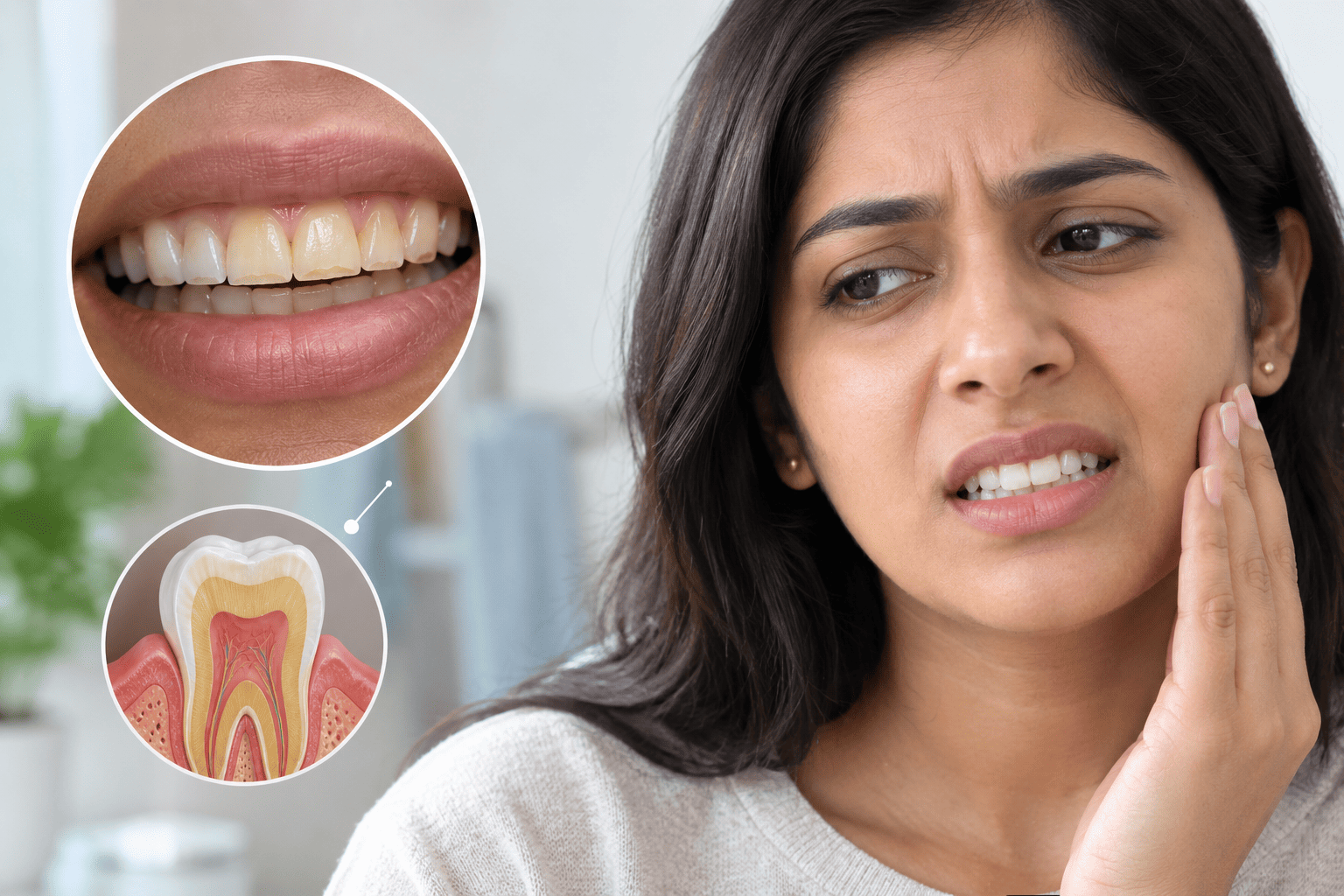
A sudden tooth pain can be uncomfortable and concerning. You may feel completely normal and suddenly experience a sharp, throbbing, or continuous pain in your tooth. While some tooth pain may come and go, it should not always be ignored because it can indicate an underlying dental issue.
Many people delay visiting a dentist because the pain reduces after some time. However, the problem causing the pain may still be present and can become more serious if left untreated. Understanding the possible causes of sudden tooth pain can help you take the right steps at the right time.
Common Causes of Sudden Tooth Pain
1. Tooth Decay and Cavities
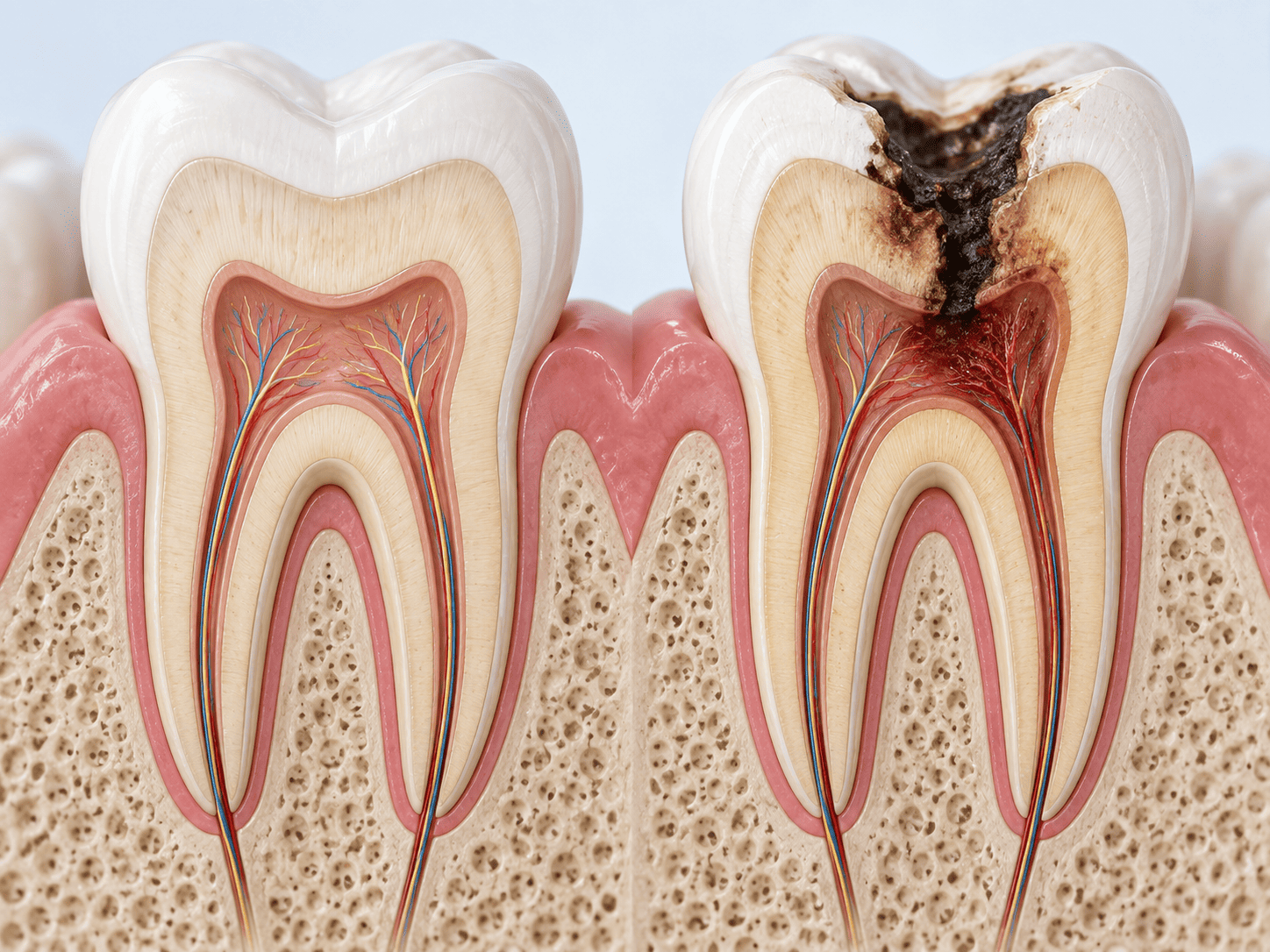
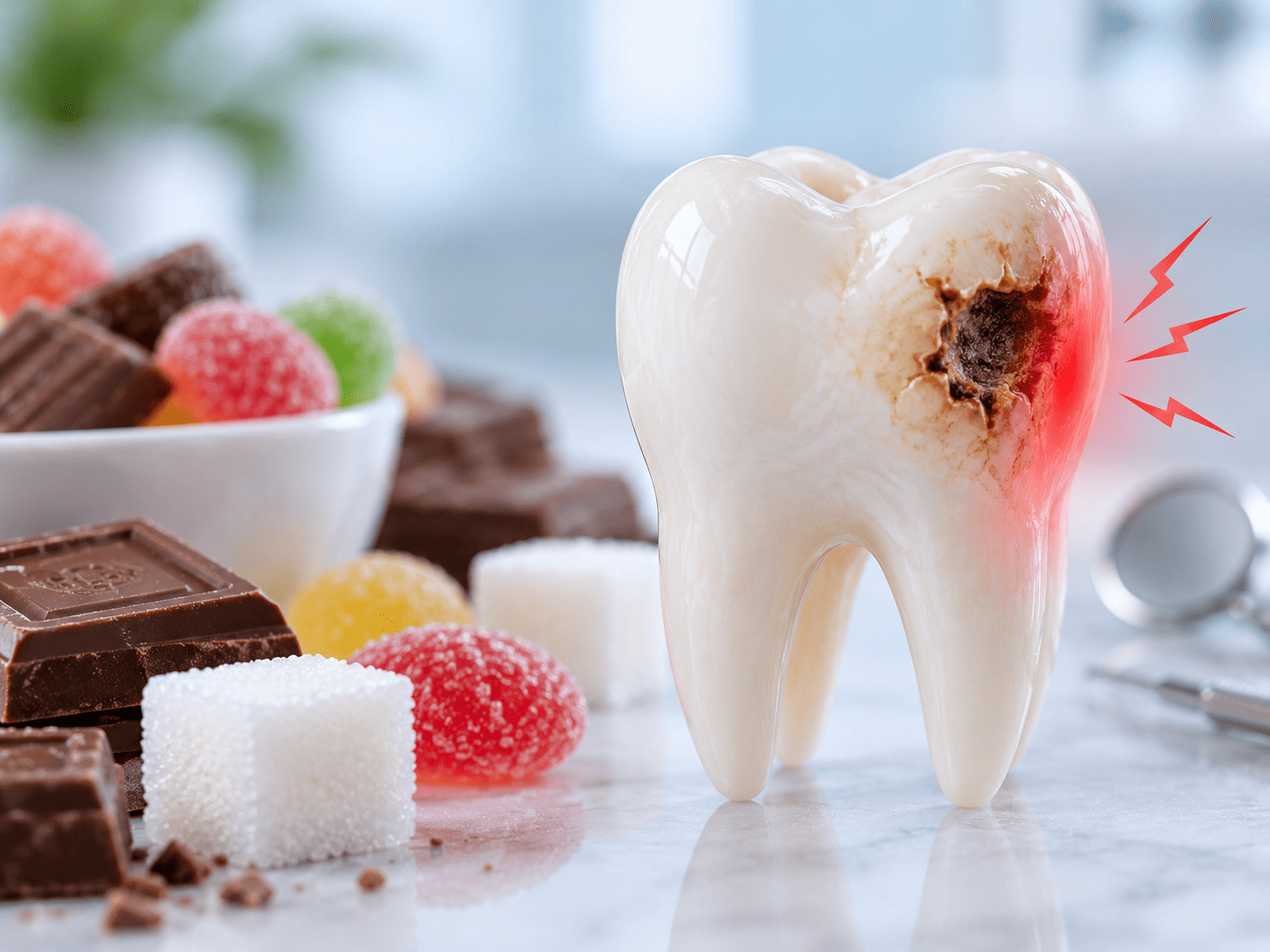
One of the most common causes of sudden tooth pain is tooth decay. Cavities occur when bacteria present in the mouth damage the protective enamel layer of the tooth. As decay progresses deeper into the tooth, it can affect the sensitive inner layers and cause discomfort.
Common signs of tooth decay include:
- Sharp pain while eating or chewing
- Sensitivity to hot and cold foods
- Pain after eating sweets
- Visible holes or dark spots on teeth
If cavities are detected early, they can often be treated with a simple dental filling. However, deeper decay may require advanced treatment to prevent further damage.
2. Tooth Sensitivity
If you feel sudden pain while drinking cold water, eating ice cream, or having hot beverages, it may be due to tooth sensitivity. Tooth sensitivity occurs when the protective enamel becomes thinner or when gum recession exposes the sensitive layer beneath the tooth. This allows external triggers to reach the nerves inside the tooth more easily.
Common causes of tooth sensitivity include:
- Worn-out tooth enamel
- Aggressive brushing habits
- Gum recession
- Tooth decay
- Teeth grinding
A dental examination can help identify the actual reason behind sensitivity and the right approach to manage it.
3. Tooth Infection or Dental Abscess
A tooth infection is another major reason for sudden and intense tooth pain. When bacteria enter the inner portion of the tooth through cavities, cracks, or damage, it can cause infection and inflammation.
Symptoms of a possible dental infection may include:
- Severe and continuous toothache
- Swelling around the gums
- Pain while biting or chewing
- Bad taste in the mouth
- Facial swelling
An untreated infection can spread to surrounding areas and may lead to more complicated dental problems. Depending on the condition of the tooth, treatments like Root Canal Treatment may help remove the infection and preserve the natural tooth.
4. Cracked or Damaged Tooth
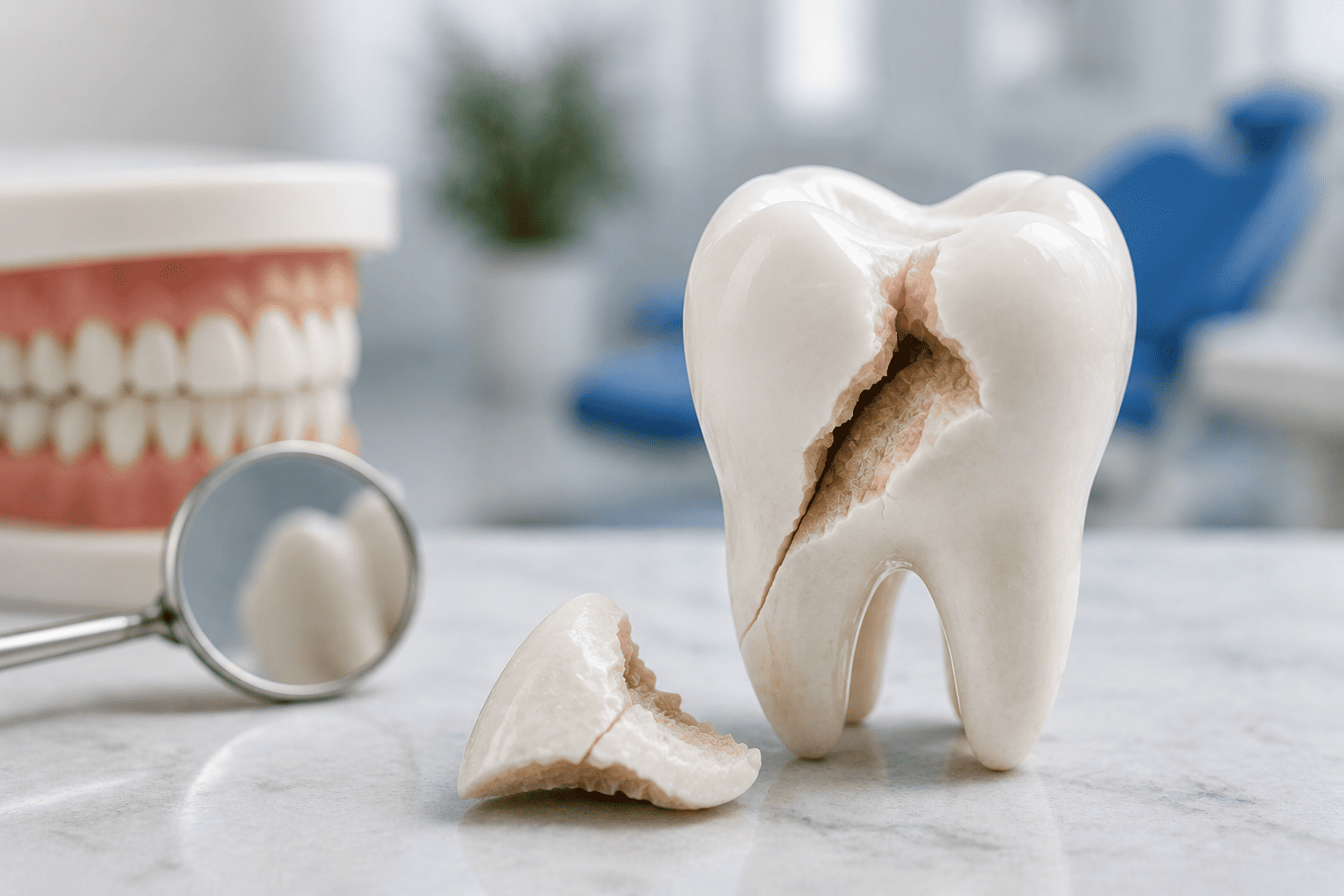
A cracked tooth may also cause sudden pain, especially when pressure is applied while eating or chewing. Some cracks may not be visible but can still affect the inner structure of the tooth.
Signs of a cracked tooth may include:
- Pain when biting down
- Sudden sensitivity
- Pain that comes and goes
- Discomfort while chewing certain foods
The treatment depends on the size and location of the crack. In many cases, a dental crown may be recommended to strengthen and protect the damaged tooth.
5. Gum Problems
Tooth pain is not always caused by the tooth itself. Gum problems and gum infections can also create discomfort and sensitivity.
Common symptoms of gum problems include:
- Bleeding gums
- Swollen gums
- Bad breath
- Gum sensitivity
- Loose teeth
Healthy gums provide support to your teeth, so early treatment of gum-related problems is important for maintaining long-term oral health.
Why Does Tooth Pain Sometimes Increase at Night?
Many people notice that their tooth pain becomes worse at night. This happens because there are fewer distractions during nighttime, making the pain feel more noticeable. Additionally, lying down can sometimes increase pressure around the affected tooth area, which may make discomfort feel stronger.
Night-time tooth pain is often associated with deeper dental issues such as advanced cavities, tooth infections, inflammation, or cracked teeth. If your tooth pain regularly wakes you up from sleep, it is a sign that the problem needs professional attention and should not be ignored.
What Should You Do When You Experience Sudden Tooth Pain?
When you experience sudden tooth pain, it is important to identify the reason behind it instead of only managing the pain temporarily. Simple steps like rinsing your mouth with warm water, keeping your teeth clean, avoiding extremely hot or cold foods, and maintaining good oral hygiene can help reduce discomfort.
However, home remedies can only provide temporary relief and cannot treat problems like cavities, infections, or tooth damage. A proper dental examination helps identify the exact cause and prevents the condition from becoming worse.
When Should You Visit a Dentist?
You should consult a dentist if you experience:
- Severe or continuous tooth pain
- Pain that lasts for more than one or two days
- Swelling around the gums or face
- Pain while chewing
- Increasing tooth sensitivity
- Cracked or broken teeth
Early diagnosis allows timely treatment and can often help save the natural tooth while avoiding more complicated procedures.
How DentoXpert Can Help With Sudden Tooth Pain
At DentoXpert Dental Clinic in Thane, dentists focus on identifying the actual cause of tooth pain before recommending treatment. Every patient's condition is evaluated carefully to provide the most suitable dental solution.
Depending on the cause of pain, treatment options may include Dental Fillings for cavities, Root Canal Treatment for infected teeth, Dental Crowns for damaged teeth, and Gum Treatment for gum-related problems . With modern dental technology and a patient-focused approach, DentoXpert helps patients receive comfortable and effective treatment while protecting their natural smile.
Conclusion
Sudden tooth pain can be caused by cavities, sensitivity, infections, cracks, or gum problems. Even if the pain reduces temporarily, it is important to identify the underlying cause early. If you are experiencing sudden tooth pain in Thane, consult DentoXpert Dental Clinic for proper diagnosis and personalised dental treatment.