Introduction
HIV (Human Immunodeficiency Virus) affects the immune system and reduces the body's ability to fight infections. Oral health problems are commonly seen in HIV-positive patients due to weakened immunity.
Different fungal, bacterial and viral infections along with oral lesions may develop as the immune system becomes weaker. Early identification of these oral conditions helps in proper diagnosis and management.
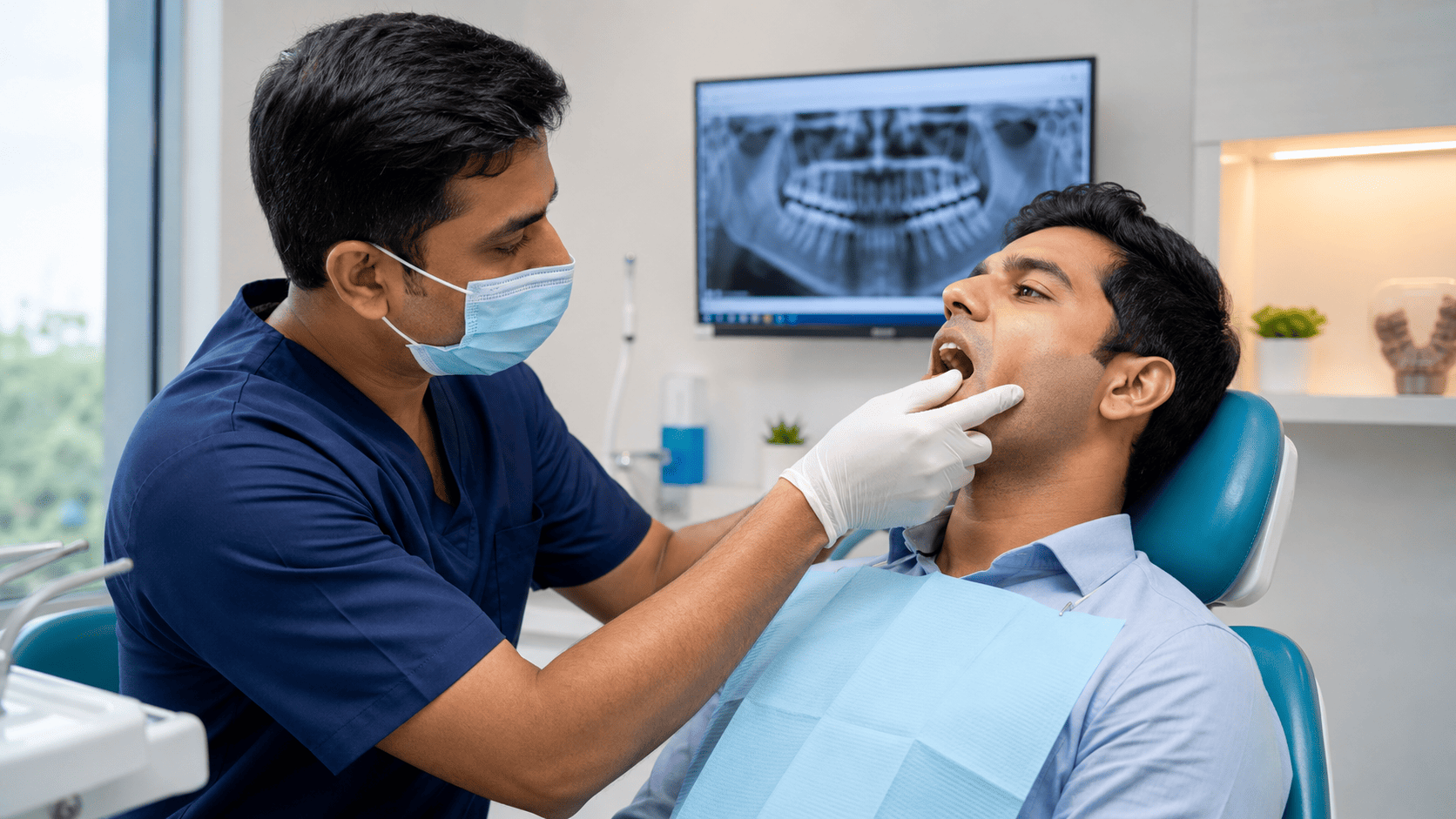
Regular dental examinations help detect oral manifestations of HIV at an early stage and support better oral health care.
Ways of HIV Transmission
HIV can spread through contact with infected blood, body fluids and other specific routes. Common methods of transmission include:
- Sexual transmission through infected body fluids.
- Reuse of infected syringes or needles.
- Blood transfusion from infected blood.
- Transmission from HIV-positive mother to child.
- Accidental exposure among healthcare workers.
Oral Signs and Symptoms of HIV
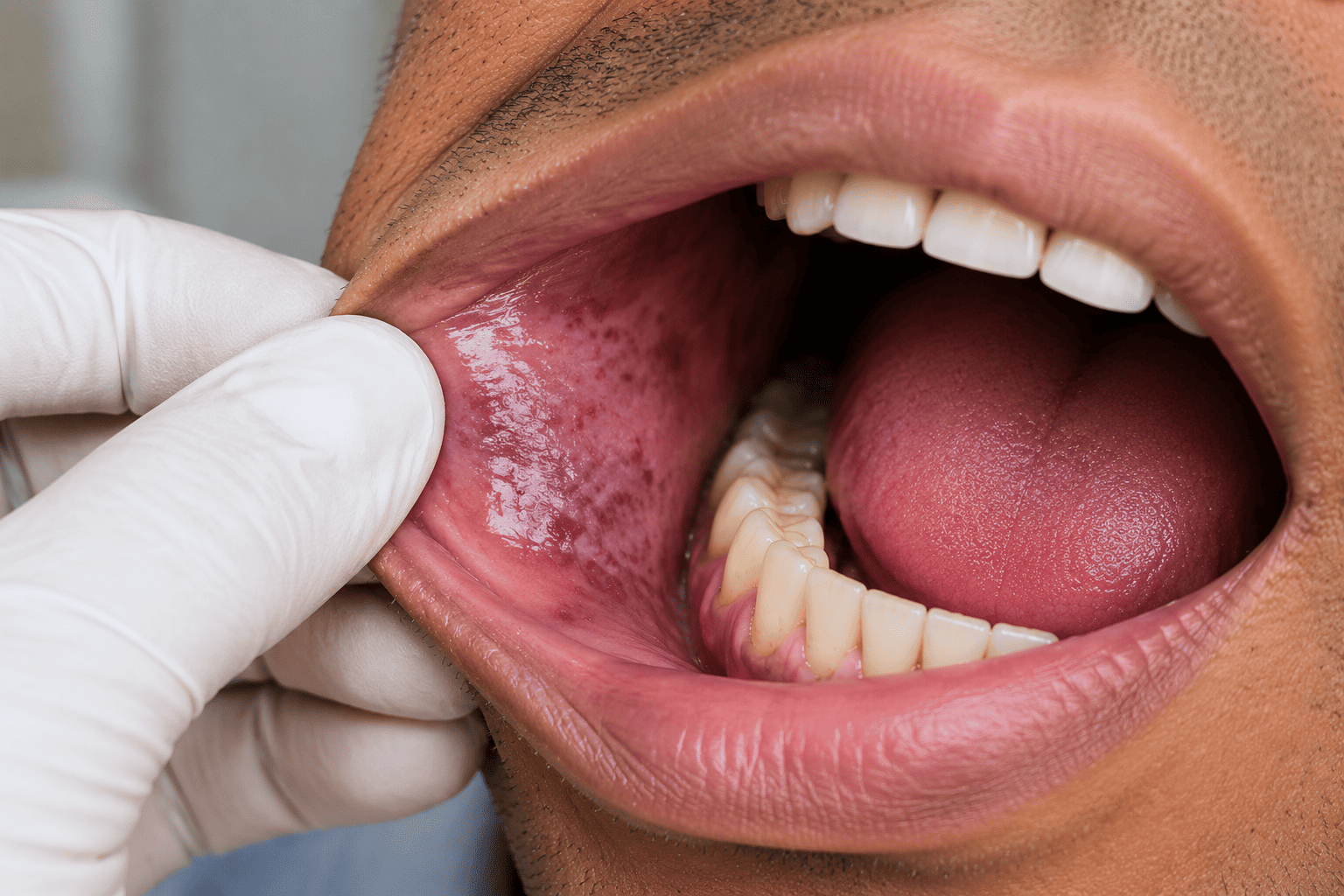
Due to reduced immunity, HIV patients may develop various oral infections and lesions. These oral signs can sometimes help in early detection of HIV-related conditions.
- Fungal infections such as oral candidiasis.
- Bacterial infections affecting gums and periodontal tissues.
- Viral infections including herpes-related lesions.
- Oral hairy leukoplakia.
- Neoplastic conditions such as Kaposi's sarcoma.
Fungal Infection - Candidiasis
Oral candidiasis is one of the common fungal infections observed in HIV patients. It appears as white patches or lesions inside the mouth.
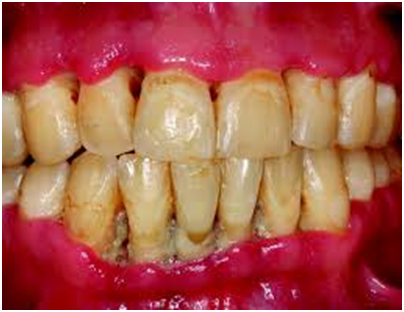
Bacterial Infection
HIV patients may develop bacterial infections affecting gums and supporting tissues. Common conditions include necrotizing ulcerative gingivitis and necrotizing ulcerative periodontitis.
- Spontaneous gum bleeding.
- Severe gum pain and inflammation.
- Damage to gum tissues and supporting structures.
Treatment
- Removal of necrotic tissue.
- Povidone iodine irrigation.
- Improvement of oral hygiene.
- Scaling and periodontal care.
- Antibiotics when required.
Viral Infection
Viral infections are commonly seen in HIV patients because of reduced immune response. Some common viral conditions affecting oral health include herpes infections and oral hairy leukoplakia.
Herpes Simplex Infection
Herpes simplex infection commonly affects the lips and oral tissues. It appears as small fluid-filled blisters which may heal within 7 to 10 days.
Treatment
- Antiviral medicines such as Acyclovir.
- Symptomatic treatment for pain and discomfort.
Herpes Zoster Infection
Herpes zoster causes painful blisters that usually appear on one side of the mouth or facial region. The lesions may break and form scabs during healing.
Oral Hairy Leukoplakia
Oral hairy leukoplakia is associated with Epstein-Barr Virus infection and is commonly seen in HIV patients. It appears as white patches mainly on the sides of the tongue.
- White hairy appearance on tongue surface.
- Commonly associated with immune suppression.
- Requires medical evaluation and management.
Kaposi's Sarcoma
Kaposi's sarcoma is a tumour condition commonly associated with HIV patients. It may affect areas of the mouth including gums, palate and buccal mucosa.
- Appears as red or purple coloured lesions.
- Can cause pain and bleeding.
- May create difficulty while eating or swallowing.
Treatment
- Maintaining proper oral hygiene.
- Systemic chemotherapy.
- Surgical removal, laser treatment or cautery.
- Radiation therapy when required.
- Antiretroviral therapy.
Conclusion
HIV can affect oral health by increasing the risk of fungal, bacterial and viral infections. Regular dental visits help identify these conditions early and provide appropriate care.
Maintaining good oral hygiene and consulting an experienced dental professional in Thane can help HIV patients manage oral health problems effectively.
Frequently Asked Questions
How does HIV affect oral health?
HIV weakens the immune system, making a person more vulnerable to oral infections such as candidiasis, bacterial infections and viral lesions.
What are common oral signs of HIV?
Common oral signs include fungal infections, gum infections, herpes lesions, oral hairy leukoplakia and Kaposi's sarcoma.
Is oral candidiasis common in HIV patients?
Yes, oral candidiasis is one of the frequently seen fungal infections in people with HIV due to reduced immunity.
Can HIV-related oral problems be treated?
Yes, proper dental care, medical treatment, antiviral medicines and maintaining oral hygiene help manage HIV-related oral conditions.
Why are regular dental check-ups important for HIV patients?
Regular dental examinations help detect oral infections early and support better overall oral health management.