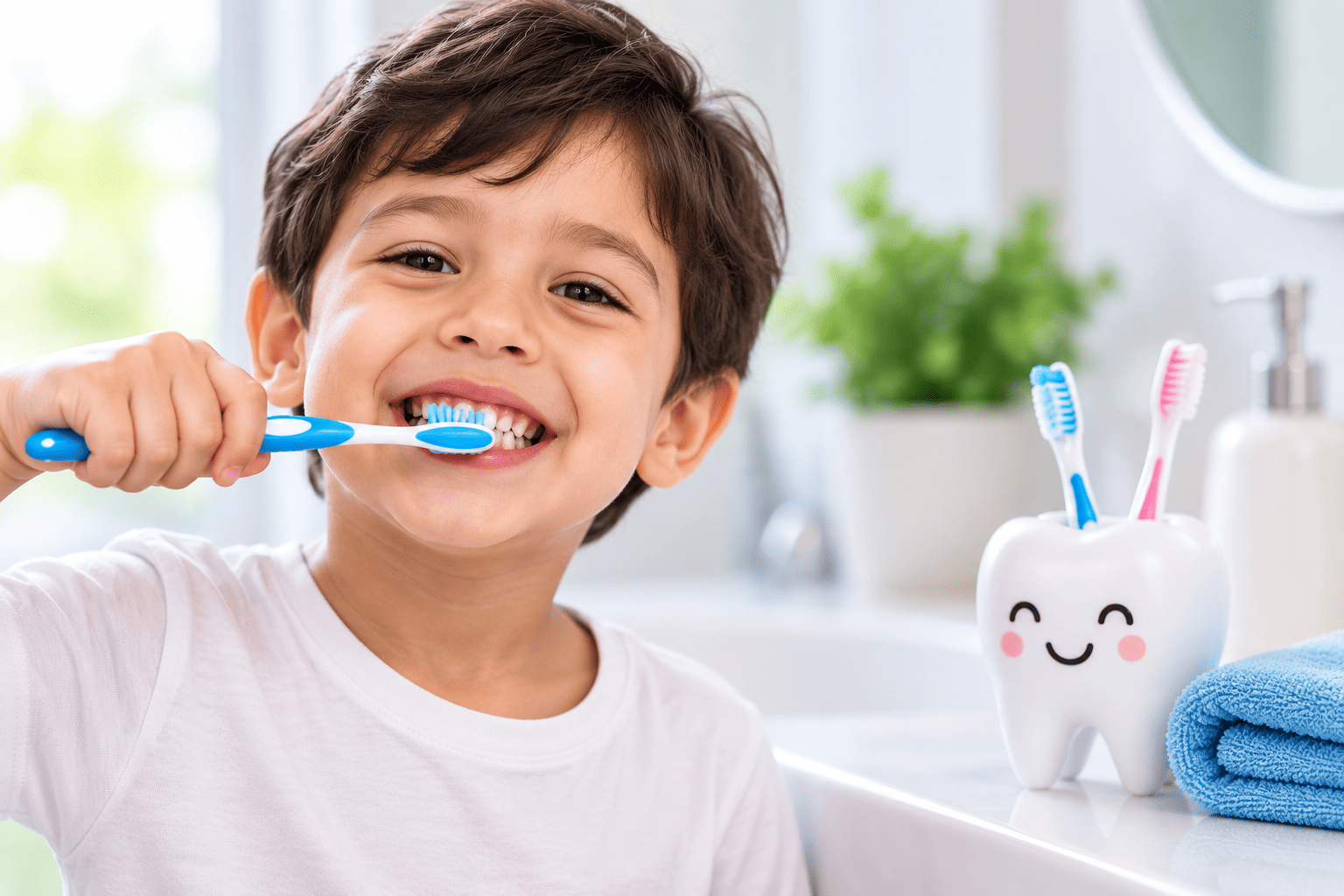
How Often Should You Brush Your Teeth?
Regular brushing is one of the most important habits for maintaining healthy teeth and gums. Brushing helps remove plaque, food particles and bacteria that accumulate on the teeth during the day and night.
In general, teeth should be brushed at least twice every day — once in the morning and once before going to bed at night.
Brush your teeth at least twice a day for approximately two minutes each time using a soft-bristled toothbrush and fluoride toothpaste.
Why Should You Brush Twice a Day?
Plaque continuously forms on the surface of the teeth. If it is not removed regularly, bacteria within the plaque can contribute to tooth decay and gum problems.
Morning brushing helps remove plaque and bacteria that may have accumulated overnight.
Brushing before sleeping is particularly important because it helps remove food particles, plaque and bacteria collected throughout the day.
How Long Should You Brush Your Teeth?
Teeth should generally be brushed for about two minutes each time.
Two minutes gives enough time to clean the front, back and chewing surfaces of the teeth as well as the gumline.
Brushing too quickly may cause certain areas of the mouth to be missed, particularly the back teeth and inner surfaces.
What Is the Correct Way to Brush Your Teeth?
Use a soft-bristled toothbrush with fluoride toothpaste. Position the toothbrush at approximately a 45-degree angle toward the gumline.
Use gentle circular or short movements to clean the teeth rather than aggressive scrubbing.
- Clean the outer surfaces of all teeth.
- Clean the inner surfaces of all teeth.
- Brush the chewing surfaces of back teeth.
- Gently clean along the gumline.
- Avoid applying excessive pressure while brushing.
How Often Should You Replace Your Toothbrush?
A toothbrush or electric toothbrush head should usually be replaced every three to four months.
It may need to be replaced earlier if the bristles become worn, bent or frayed.
Worn toothbrush bristles may not clean the surfaces of the teeth as effectively as bristles that are in good condition.
Should You Clean Your Tongue?
Yes. Bacteria, food debris and other deposits can accumulate on the surface of the tongue.
Gently brushing the tongue or using a tongue cleaner can help remove these deposits and may help improve oral freshness.
Is Brushing Alone Enough to Clean Between Teeth?
A toothbrush may not completely clean the narrow spaces between neighbouring teeth.
Floss or suitable interdental brushes can help remove plaque and food particles from areas that toothbrush bristles may not easily reach.
Cleaning between the teeth is an important part of daily oral hygiene because plaque can accumulate in areas that ordinary brushing may miss.
Can Mouthwash Replace Brushing?
No. Mouthwash may be used as an additional part of an oral hygiene routine, but it does not replace proper brushing and interdental cleaning.
Your dentist may recommend a particular mouthwash depending on your oral health requirements.
Should You Brush Immediately After Eating?
After consuming acidic foods or beverages, the tooth surface may temporarily become more vulnerable.
It may be helpful to wait approximately 30 minutes before brushing your teeth after acidic foods or drinks.
During this time, saliva helps neutralize acids present in the mouth.
Can Brushing Too Hard Damage Your Teeth and Gums?
Yes. Aggressive brushing or using excessive pressure may irritate the gums and contribute to gum recession or tooth sensitivity in some people.
A soft-bristled toothbrush and gentle brushing technique are generally recommended for effective daily cleaning.
Why Are Regular Dental Check-Ups Important?
Good brushing habits are important, but regular dental examinations are also necessary for maintaining oral health.
A dentist can examine the teeth and gums and identify problems such as tooth decay, gum inflammation or other dental conditions that may not be obvious at an early stage.
Your dentist can also advise you regarding your toothbrush, toothpaste, flossing technique and other oral hygiene habits.
Conclusion
Brushing your teeth at least twice a day is an important part of maintaining healthy teeth and gums.
Brush for approximately two minutes using a soft-bristled toothbrush and fluoride toothpaste. Clean all tooth surfaces gently and remember to clean between the teeth and the tongue.
Replacing your toothbrush regularly, avoiding aggressive brushing and attending regular dental check-ups can further support long-term oral health.
Frequently Asked Questions
How many times should I brush my teeth every day?
Teeth should generally be brushed at least twice a day — once in the morning and once before going to bed at night.
How long should I brush my teeth?
Brush for approximately two minutes so that the outer, inner and chewing surfaces of all teeth can be cleaned properly.
Is brushing once a day enough?
Brushing twice daily provides more regular removal of plaque, bacteria and food particles than brushing only once a day.
Should I brush before or after breakfast?
Morning brushing is important. If brushing after acidic foods or beverages, it may be advisable to wait around 30 minutes before brushing.
How often should a toothbrush be replaced?
A toothbrush or toothbrush head should usually be replaced every three to four months or earlier if the bristles become worn or frayed.
Does mouthwash replace brushing and flossing?
No. Mouthwash can be an additional oral hygiene product, but it should not replace regular brushing and cleaning between the teeth.