What Is Tooth Decay?
Tooth decay, also known as dental caries, is a bacterial infection that attacks the hard tissues of the teeth and gradually damages them. It is one of the most common dental problems and is mainly associated with bacteria such as Streptococcus mutans and lactobacilli.
In the early stage, tooth decay may not cause pain or discomfort, so it can easily go unnoticed. As the decay progresses deeper into the tooth, sensitivity and pain may begin to appear.
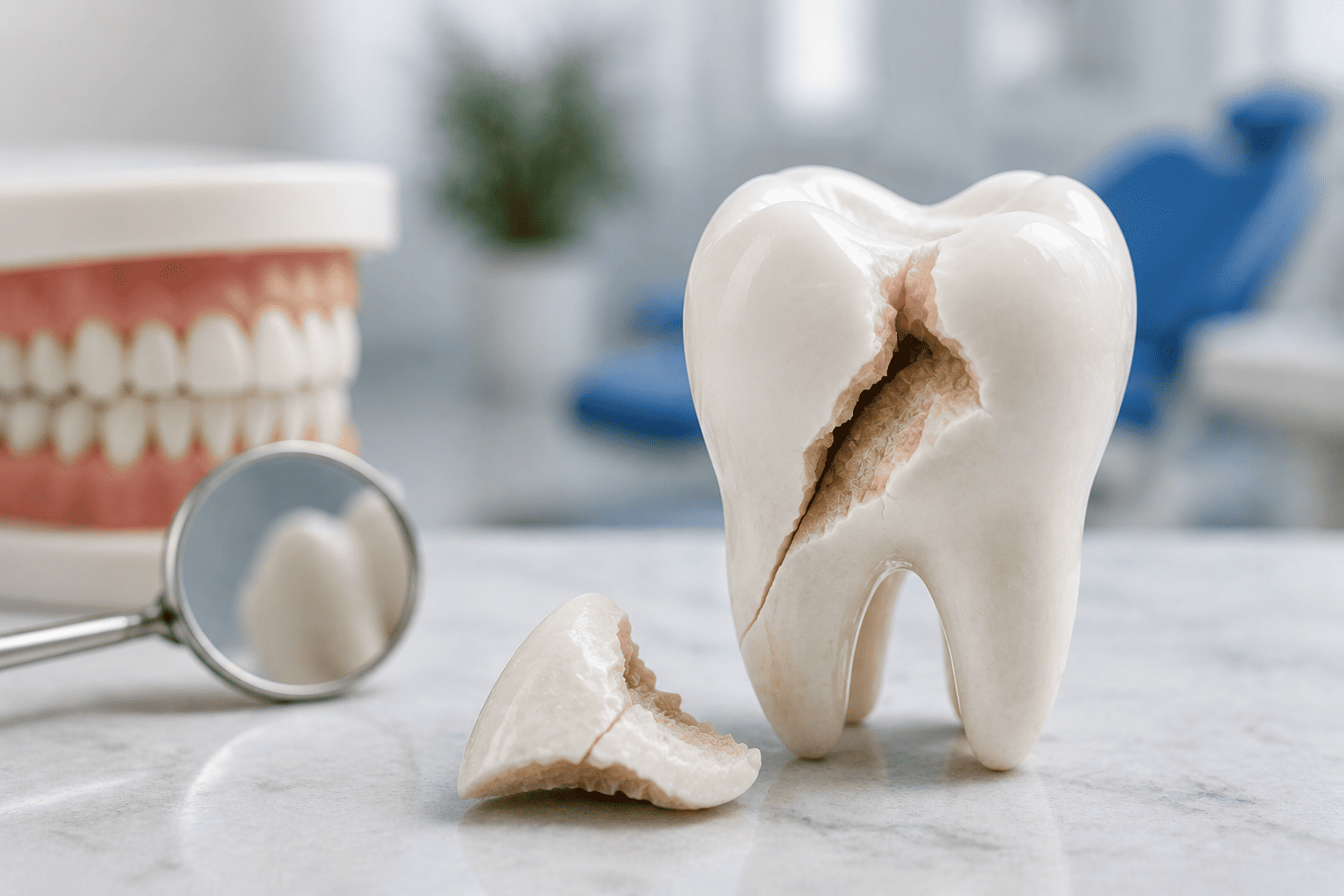
Tooth decay is easier to manage when it is identified early. Delaying treatment can allow the cavity to move from enamel into dentin and eventually reach the pulp of the tooth.
What Are the Common Causes of Tooth Decay?
Tooth decay can develop when the conditions inside the mouth make the teeth more vulnerable to bacterial attack. Reduced saliva flow is one important factor because saliva normally helps protect the teeth and mouth.
Some conditions and habits that may increase the risk of dental decay include:
- Systemic conditions such as Sjögren's syndrome, HIV and diabetes, where the flow of saliva may be reduced.
- Radiotherapy or chemotherapy, which may affect salivary flow.
- Eating disorders such as bulimia, where repeated vomiting can expose teeth to acid.
- Medicines that reduce salivary flow, including some medicines used for Parkinson's disease, depression and psychiatric conditions.
- Habits such as smoking tobacco or chewing tobacco.
What Are the Signs and Symptoms of Tooth Decay?
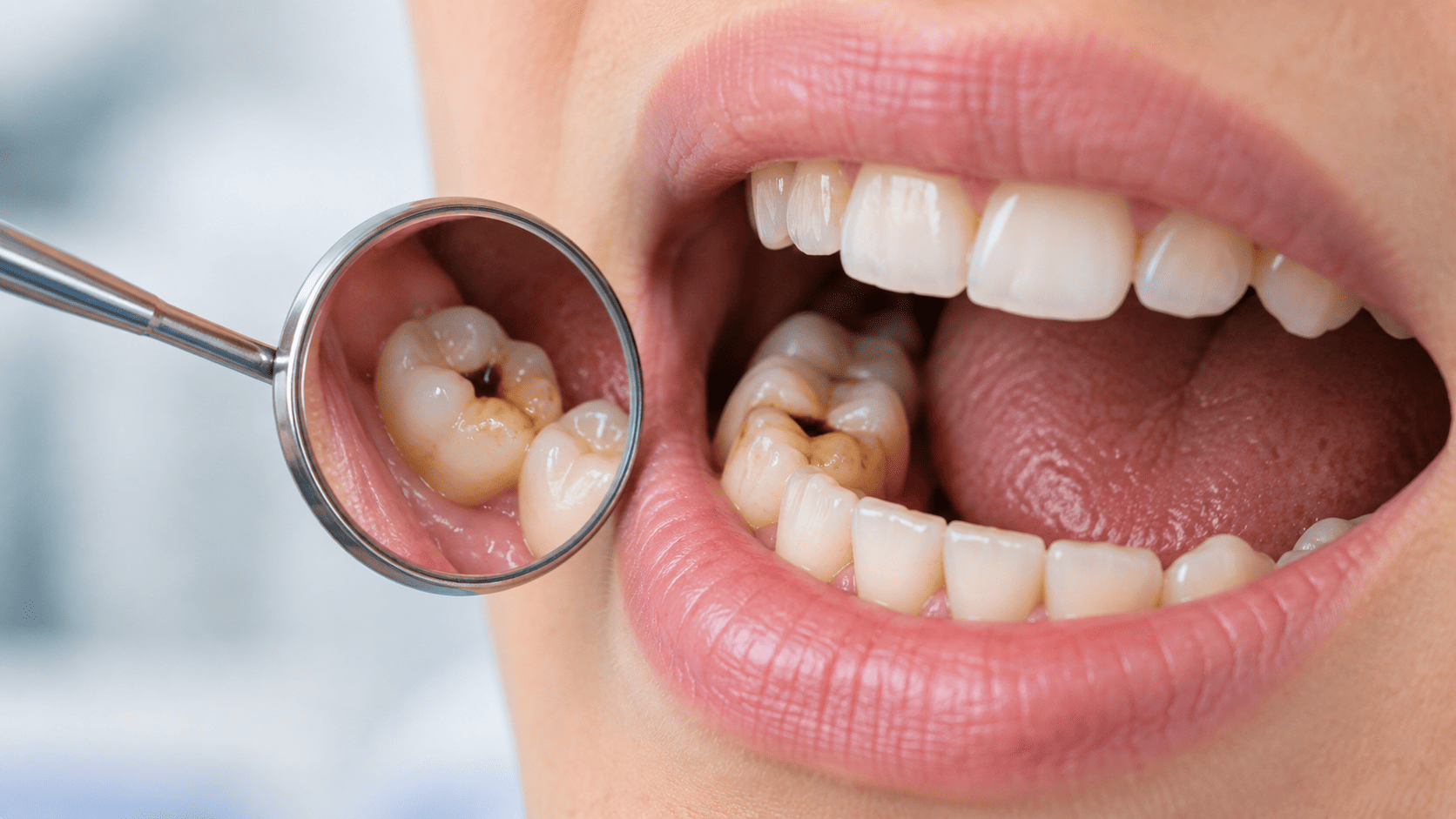
In the beginning, dental decay may not cause any pain. The first changes can happen on the enamel, which is the outer hard layer of the tooth.
- Early decay may appear as a chalky white area on the enamel.
- The enamel may gradually lose minerals and become weaker.
- Small grooves or openings can develop as the decay progresses.
- When decay reaches the dentin, the tooth may become sensitive or painful.
- Pain may become more noticeable while eating or when the decay moves deeper into the tooth.
How Does Tooth Decay Progress?
If a decayed part of the enamel is not treated, the bacterial infection can continue deeper into the tooth. It may first spread from the enamel into the dentin and later reach the pulp, where the nerves and blood supply of the tooth are present.
When decay is limited and the nerve is not involved, the dentist may remove the damaged portion and restore the tooth with a tooth-coloured filling.
If the decay reaches the pulp, the pain can become more severe. Prolonged infection may lead to pus formation around the root, and the tooth may eventually become non-vital.
When Is Root Canal Treatment Needed?
When decay has progressed deeply and reached the nerve or pulp of the tooth, a simple filling may no longer be enough. In such cases, root canal treatment may be required to treat the affected tooth.
Treating a cavity before it reaches the nerve can help avoid more extensive treatment later.
How Can Tooth Decay Be Prevented and Treated?
Good oral hygiene and timely dental care can help control tooth decay and prevent a small cavity from becoming a bigger problem.
- Brush twice a day using the correct brushing technique.
- Floss between the teeth regularly.
- Go for a dental check-up every six months.
- Get professional scaling or cleaning as advised by your dentist.
- If a cavity is present, get it filled before it progresses deeper.
- If decay has reached the nerve of the tooth, root canal treatment may be required.
- Avoid frequent eating between meals.
- Maintain proper oral hygiene and take timely action when dental problems are noticed.
When Should You Visit a Dentist?
Because early tooth decay may not always cause pain, regular dental check-ups are important. If you notice sensitivity, pain, a visible cavity, or changes in the tooth surface, a dental examination can help identify how far the decay has progressed.
Early treatment may involve a filling, while deeper decay that reaches the pulp may require root canal treatment.
Conclusion
Tooth decay often starts without obvious pain, but it can gradually move from the enamel into the deeper layers of the tooth. Identifying the problem early can make treatment simpler and help protect the affected tooth.
Brushing correctly, flossing, regular dental check-ups, professional cleaning and timely treatment of cavities can help reduce the risk of tooth decay becoming more serious.
If you are experiencing tooth pain, sensitivity or suspect a cavity, visiting a dentist in Thane can help determine the appropriate treatment based on the condition of the tooth.
Frequently Asked Questions
What is tooth decay?
Tooth decay, or dental caries, is a bacterial infection that damages the hard tissues of the tooth.
Can tooth decay happen without pain?
Yes. In the early stages, tooth decay may not cause pain or discomfort and can therefore go unnoticed.
What happens when tooth decay reaches dentin?
When decay moves from enamel into dentin, the tooth may become sensitive or painful, especially while eating.
Can a cavity be treated with a filling?
If the decay has not reached the nerve, the damaged portion can be removed and the tooth may be restored with a filling.
When may root canal treatment be needed?
Root canal treatment may be needed when decay has progressed deeply and reached the pulp or nerve of the tooth.