What Is Lichen Planus?
Lichen planus is a precancerous condition. It is a common inflammatory disease that affects the skin and oral mucous membranes.
The term lichen means that the lesion looks like lichen present on a rock, while planus means flat.
Lichen planus may involve both the skin and oral mucosa. Persistent oral lesions should therefore be professionally evaluated.
Types of Lichen Planus
- Reticular
- Plaque-like
- Atrophic
- Ulcerative
- Erosive
- Bullous
- Follicular
Reticular Type
Reticular type is the most common type of lichen planus. It consists of slightly elevated spots present at the intersection of white lines called Wickham’s striae.
Papular Type
These are elevated white lesions seen in the keratinized areas of the oral mucosa. They are present in the form of papules which are slightly separated from each other and may appear grey or whitish.
Atrophic Type
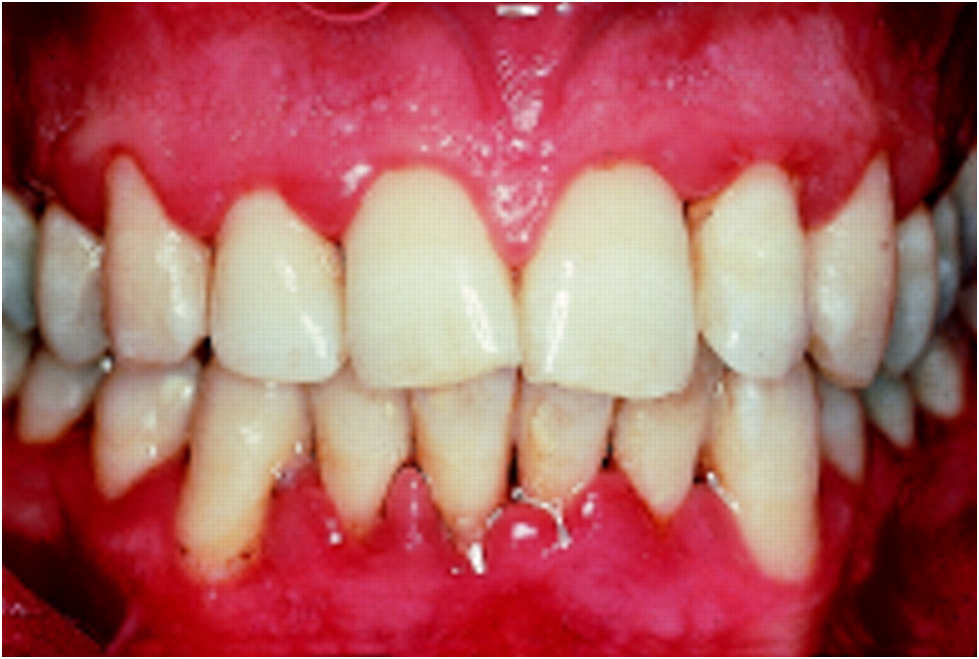
These lesions appear as red and smooth areas. The attached gingiva is usually involved.
Bullous Type
Bullous lichen planus is present in the form of vesicles or bullae which may rupture and form ulcerated areas. It commonly affects the buccal mucosa and lateral surface of the tongue.
Features of Lichen Planus
- It mainly involves the skin and oral mucous membrane.
- It may also involve the larynx, esophagus, penis, vulva, stomach and mucosa of the nose.
- Patients may complain of severe itching and may feel like rubbing the lesion rather than scratching it.
- The lesions may have a slight violet colour. The top of the lesion may be flat and shiny with a dry surface.
- A characteristic feature of lichen planus is the presence of Wickham's striae.
- In the oral mucosa, it commonly affects the lip, tongue, gums and floor of the mouth.
- Patients may complain of a burning sensation in the oral mucosa.
- In some cases, lichen planus may be associated with candidal infection.
Oral and Other Manifestations
If oral lesions are present together with genital lesions, they may be referred to as vulvovaginal-gingival syndrome.
Lichen planus may also be associated with Grinspan syndrome, which includes lichen planus, diabetes mellitus and vascular hypertension.
Treatment of Lichen Planus
- Remove the cause.
- Steroids including steroid sprays such as beclomethasone propionate spray.
- Topical application of antifungal drugs such as nystatin and ketoconazole.
- Combination of prednisolone and levamisole.
- Surgical therapy.
- Psychotherapy.
- Dapsone therapy.
Medicines and treatment should only be started after evaluation and prescription by an appropriate healthcare professional.
When to Seek Dental Evaluation
Lichen planus can affect the oral mucosa and may appear as persistent white, red, ulcerated or burning areas. If such changes do not resolve, a dental examination is advisable.
A dentist can examine the affected areas and recommend the appropriate next steps depending on the condition.
Frequently Asked Questions
What is oral lichen planus?
Oral lichen planus is an inflammatory condition involving the oral mucous membrane and may appear in different clinical forms.
Which areas of the mouth can be affected?
It commonly affects areas such as the lips, tongue, gums and floor of the mouth.
What are Wickham’s striae?
Wickham’s striae are characteristic white-line patterns that may be seen in lichen planus.
How is lichen planus treated?
Treatment depends on the type and severity of the condition. Steroids, topical antifungals and other clinician-directed treatment options may be considered.