Introduction
Baby teeth play an important role in a child's overall development, including chewing, speaking and maintaining proper space for permanent teeth. However, young children can develop tooth decay at an early age due to a condition called nursing bottle caries.
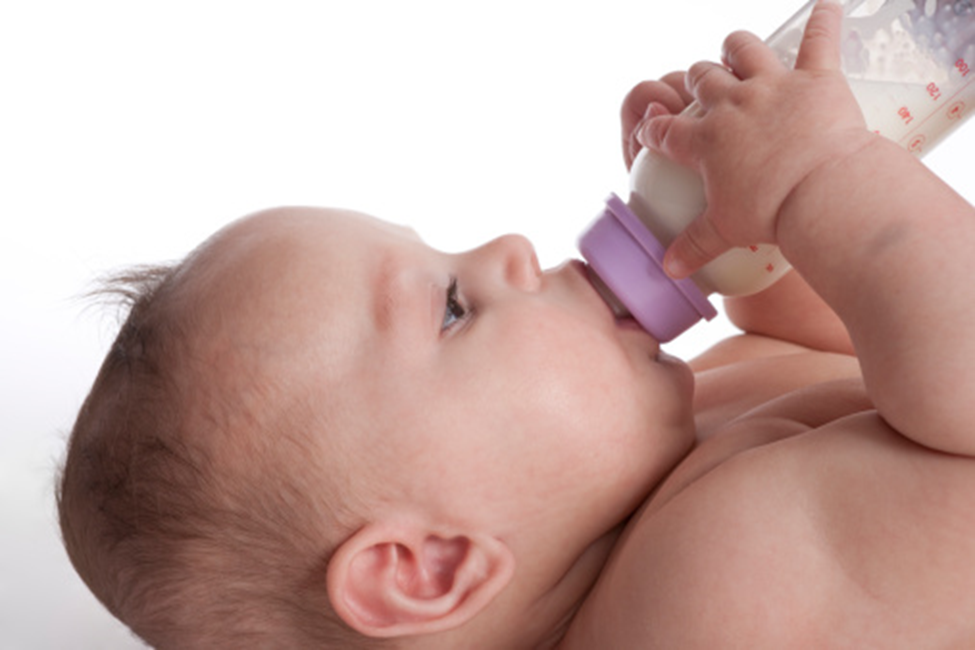
Nursing bottle caries occurs when a baby's teeth are frequently exposed to milk, formula, juices or other sugary liquids for long periods, especially when the child sleeps with a bottle in the mouth.
Avoiding prolonged exposure of baby teeth to milk and sugary liquids, especially during sleep, helps reduce the risk of early childhood tooth decay.
Causes of Nursing Bottle Caries
Nursing bottle caries develops when baby teeth are repeatedly exposed to sugary liquids for a long duration. During feeding, bacteria present in the mouth break down sugars and produce acids that gradually damage the tooth enamel.
- Sleeping with a milk bottle or feeding bottle in the mouth.
- Frequent feeding throughout the night without cleaning the baby's mouth.
- Giving sweetened drinks, juices or sugary liquids regularly.
- Not cleaning the baby's gums and teeth after feeding.
- Poor early oral hygiene habits.
Signs and Symptoms of Nursing Bottle Caries
Parents should observe their child's teeth regularly because early detection can prevent further damage. Common signs of baby bottle tooth decay include:
- White spots or chalky areas appearing on the front teeth.
- Brown or black spots developing on teeth.
- Visible cavities or tooth damage.
- Tooth sensitivity or discomfort while eating.
- Difficulty chewing food due to dental pain.
- Swelling or infection around affected teeth in severe cases.
How Nursing Bottle Caries Affects Baby Teeth
Although baby teeth eventually fall out, maintaining their health is important for a child's growth and development. Untreated nursing bottle caries can affect a child's comfort, eating habits and future dental health.
- Can cause tooth pain and discomfort.
- May affect proper chewing and nutrition.
- Can interfere with speech development.
- May lead to early loss of baby teeth.
- Can affect the alignment and spacing of permanent teeth.
- Severe decay may result in dental infection.
Prevention of Nursing Bottle Caries
Good oral care habits from an early age can significantly reduce the chances of baby bottle tooth decay. Parents can follow simple preventive steps to protect their child's teeth.
- Avoid putting your baby to sleep with a bottle containing milk or sugary liquids.
- Clean your baby's gums with a soft clean cloth after feeding.
- Start brushing as soon as the first tooth appears.
- Use age-appropriate toothpaste as recommended by your dentist.
- Gradually transition your child from bottle feeding to a cup.
- Avoid dipping pacifiers in honey or sweet substances.
- Schedule regular dental check-ups for early monitoring.

Dental Care Tips for Babies
- Clean your baby's mouth after every feeding.
- Encourage healthy eating habits with fewer sugary snacks.
- Provide water after meals whenever possible.
- Avoid frequent exposure to sweet drinks.
- Make brushing a daily routine.
- Visit a pediatric dentist for regular dental guidance.
Treatment Options for Nursing Bottle Caries
The treatment approach depends on the severity of tooth decay. A dentist will examine the child's teeth and suggest the most suitable option.
- Fluoride treatment may help strengthen early damaged areas.
- Dental fillings may be required for teeth with cavities.
- Severely damaged teeth may need specialised dental procedures.
- Parents will receive guidance on feeding and oral hygiene habits to prevent future decay.
Conclusion
Nursing bottle caries is a preventable dental condition that can affect a child's early oral health. Developing healthy feeding habits, maintaining proper oral hygiene and scheduling regular dental visits can help protect baby teeth from decay.
Parents play an important role in building lifelong dental habits. Early attention and preventive care can help children maintain healthy teeth and develop a confident smile.
Frequently Asked Questions
What is nursing bottle caries?
Nursing bottle caries, also called baby bottle tooth decay or early childhood caries, is tooth decay that occurs in infants and young children due to prolonged exposure of teeth to milk, formula or sugary liquids.
Why does sleeping with a milk bottle cause tooth decay?
During sleep, saliva production decreases. If a child sleeps with a bottle, sugars from milk or other liquids remain on the teeth for a longer time, allowing bacteria to produce acids that damage tooth enamel.
Which teeth are commonly affected by nursing bottle caries?
The upper front teeth are commonly affected first because they are frequently exposed to liquids during bottle feeding. Other teeth may also become affected depending on feeding habits and oral hygiene.
How can parents prevent baby bottle tooth decay?
Parents can prevent decay by avoiding bedtime bottles, cleaning the baby's mouth after feeding, brushing regularly, limiting sugary drinks and taking their child for routine dental check-ups.
When should a child visit a dentist for the first time?
A child's first dental visit is recommended when the first tooth appears or by the age of one year. Early dental visits help identify problems and guide parents about proper oral care.