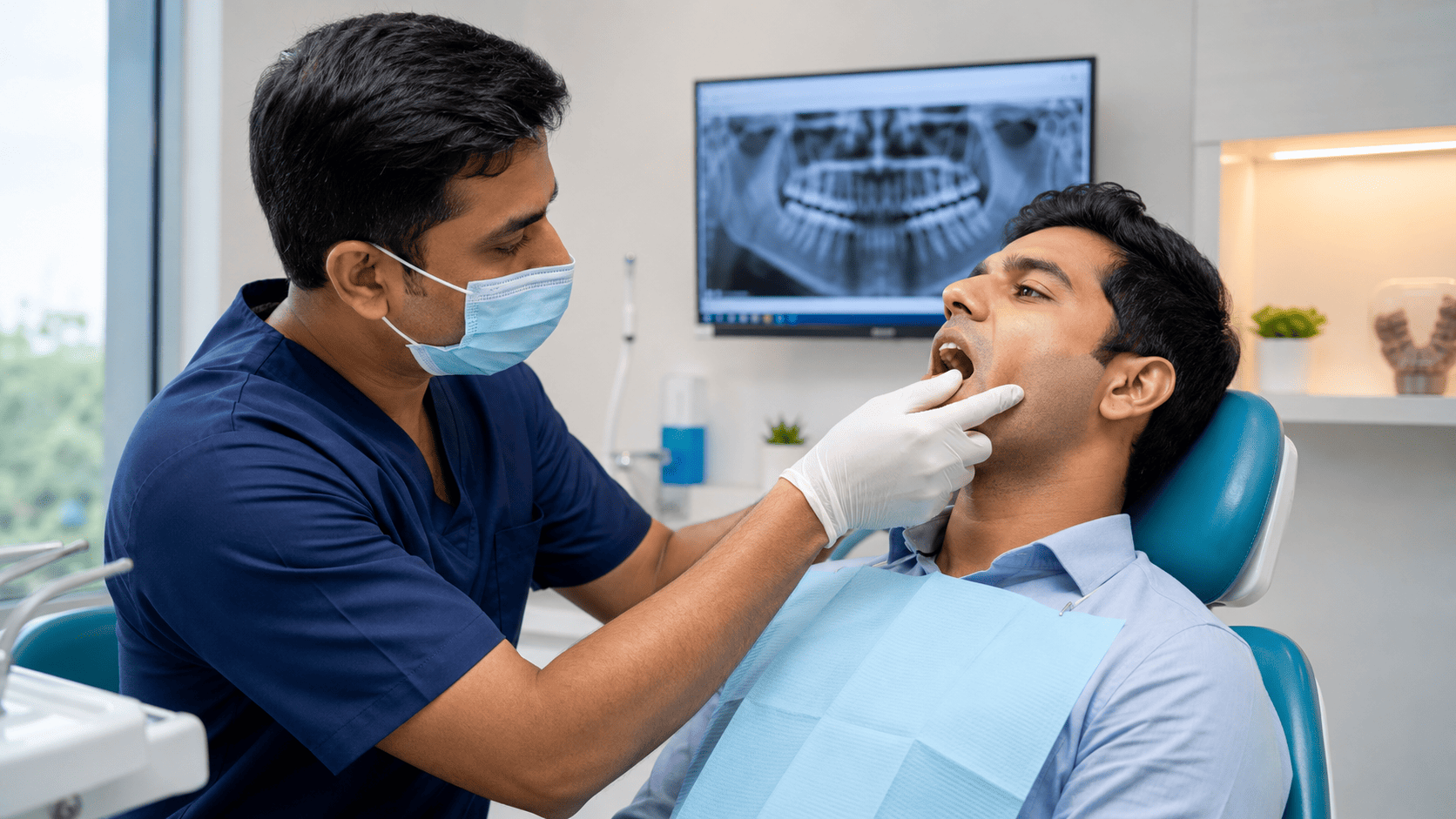
Understanding Intellectual Disability and Oral Health
Intellectual disability refers to limitations in intellectual functioning and adaptive behaviour that may affect learning, communication and everyday activities. The level of support required differs from person to person.
Oral healthcare is especially important because some individuals may find brushing, flossing, communicating dental discomfort or cooperating during dental procedures more difficult.
Regular oral hygiene, caregiver support and routine dental examinations can help identify dental problems early and reduce the risk of more complicated treatment.
Factors Associated with Intellectual Disability
Intellectual disability can have many different causes. In some people the exact cause may not be identified. Possible contributing factors can occur before, during or after birth.
- Certain genetic or developmental conditions.
- Some infections occurring during pregnancy.
- Complications during pregnancy or childbirth.
- Reduced oxygen supply during or around birth.
- Serious infections affecting the brain.
- Severe head injury or trauma.
- Exposure to certain harmful substances during development.
- Severe nutritional deficiencies in some circumstances.
Common Dental Problems and Oral Health Challenges
Dental conditions vary considerably between individuals. However, people who require additional daily support may experience a higher risk of oral health problems when brushing, diet or routine dental care becomes difficult.
Tooth Decay
Plaque accumulation, frequent sugary foods or drinks and difficulty cleaning the teeth properly may increase the risk of dental cavities.
Gum Problems
Inadequate plaque removal may cause inflammation of the gums. Regular brushing and professional dental cleaning can help maintain healthier gums.
Tooth Alignment and Bite Problems
Some individuals may have irregular tooth eruption, crowded teeth or bite problems such as malocclusion, making certain areas more difficult to clean.
Missing or Extra Teeth
Developmental differences may occasionally affect the number, position or shape of teeth.
Teeth Grinding or Clenching
Bruxism, or grinding and clenching of the teeth, may cause tooth wear, jaw discomfort or sensitivity in some patients.
Oral Habits
Habits such as mouth breathing, tongue thrusting or other repetitive oral behaviours can sometimes influence dental development and oral health.
Daily Oral Hygiene and Caregiver Support
Some people with intellectual disabilities can manage their own oral hygiene independently, while others may require partial or complete assistance from a parent, family member or caregiver.
- Brush the teeth twice daily using fluoride toothpaste.
- Use a soft-bristled toothbrush that is comfortable to hold.
- Assist with brushing when the individual cannot clean all tooth surfaces properly.
- Clean between teeth with floss or another interdental cleaning method where appropriate.
- Limit frequent sugary snacks and sweetened drinks.
- Encourage drinking water throughout the day.
- Check regularly for swelling, bleeding gums, broken teeth or signs of dental discomfort.
- Maintain regular dental check-ups based on the dentist's recommendation.
Making Dental Visits More Comfortable
A dental clinic can be an unfamiliar environment, and some patients may feel anxious or uncomfortable with lights, sounds, instruments or physical contact.
Dental visits should therefore be planned according to the patient's communication ability, comfort level and individual healthcare needs.
- Inform the dental team about medical conditions, medications and previous dental experiences.
- Schedule appointments at a time when the patient is normally most comfortable and cooperative.
- Allow time for the patient to become familiar with the dental environment.
- Use simple and clear explanations before treatment.
- Introduce procedures gradually wherever possible.
- Encourage a familiar caregiver to remain involved when appropriate.
Dental Treatment and Behaviour Management
Every patient should be assessed individually. Many dental treatments can be completed using communication, reassurance, short appointments and gradual familiarisation with the dental environment.
For patients who cannot safely complete necessary treatment through routine methods, the dentist may discuss additional behaviour-management or sedation options after reviewing the patient's medical history and treatment requirements.
Sedation or general anaesthesia is not automatically required for a person with an intellectual disability. The appropriate approach depends on the individual, treatment complexity, medical history and ability to cooperate safely.
Tips for Parents and Caregivers
- Keep oral hygiene as part of a predictable daily routine.
- Be patient and use positive encouragement during brushing.
- Check whether the patient can brush effectively without assistance.
- Watch for changes in eating habits that may indicate tooth pain.
- Do not delay a dental visit when pain, swelling, bleeding or a broken tooth is noticed.
- Inform the dentist about any medications and behavioural or sensory concerns.
- Continue preventive dental visits even when no obvious dental problem is present.
When Should You Consult a Dentist?
Arrange a dental examination if you notice persistent tooth pain, gum bleeding, facial swelling, broken teeth, difficulty eating, bad breath that does not improve or any sudden change in oral behaviour.
At DentoXpert Dental Clinic in Thane, dental examinations and treatment planning can be adapted according to the patient's individual needs, comfort and ability to cooperate during treatment.
Conclusion
Good oral health is an important part of overall health and quality of life. People with intellectual disabilities may require additional support with brushing, diet, communication and dental visits, but consistent preventive care can make a significant difference.
Parents and caregivers should encourage daily oral hygiene and arrange regular dental check-ups so that problems can be detected and treated at an early stage.
Frequently Asked Questions
Do people with intellectual disabilities need special dental care?
Some people can receive routine dental care without major changes, while others may require additional time, caregiver support or modifications based on communication, sensory and behavioural needs.
Why can oral hygiene be difficult?
Difficulty with coordination, understanding, communication or sensory sensitivity can make brushing and flossing more challenging for some individuals.
How can caregivers help with brushing?
Caregivers can supervise brushing, assist with areas that are difficult to reach and maintain a consistent twice-daily oral hygiene routine.
How often should dental check-ups be scheduled?
The appropriate frequency depends on the patient's oral health and risk of dental disease. The dentist can recommend a suitable recall schedule after an examination.
Is sedation always required during dental treatment?
No. Many patients can be treated using communication, reassurance and gradual familiarisation. Sedation may be considered only when clinically appropriate after individual assessment.