Why Do My Teeth Feel Loose?
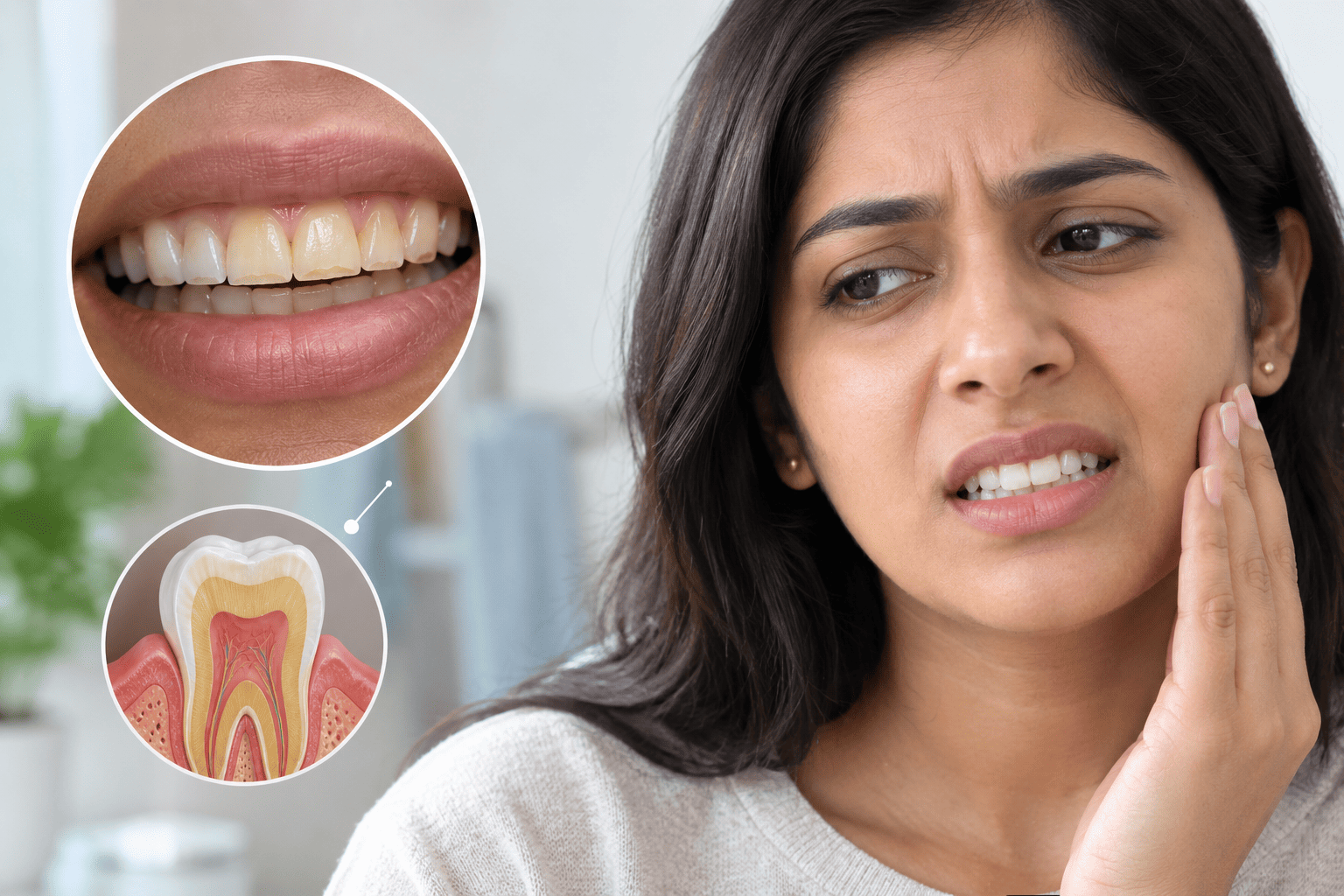
A feeling that your tooth is moving or becoming loose can be worrying, especially if it happens during adulthood. Unlike children, where loose teeth are a normal part of growing up, loose teeth in adults are usually a sign of an underlying dental problem that needs attention.
Many people ignore slight tooth movement until it becomes more noticeable. However, early diagnosis can help prevent further damage and improve the chances of protecting your natural teeth.
At DentoXpert Dental Clinic in Thane, patients experiencing loose teeth are carefully evaluated to understand the actual cause and receive suitable treatment based on their dental condition.
Common Causes of Loose Teeth in Adults
1. Gum Disease (Periodontal Disease)
One of the most common causes of loose teeth in adults is gum disease. Healthy gums and supporting bone hold your teeth firmly in place. When bacteria build up around the gums, it can cause infection and inflammation, gradually affecting the tissues that support your teeth.
Common signs of gum disease include:
- Bleeding gums while brushing
- Swollen or red gums
- Bad breath that does not go away
- Gum recession
- Loose or shifting teeth
If gum disease is detected early, treatments like professional cleaning and gum care can help control the condition. Advanced cases may require specialised gum treatment to protect the supporting structures of the teeth.
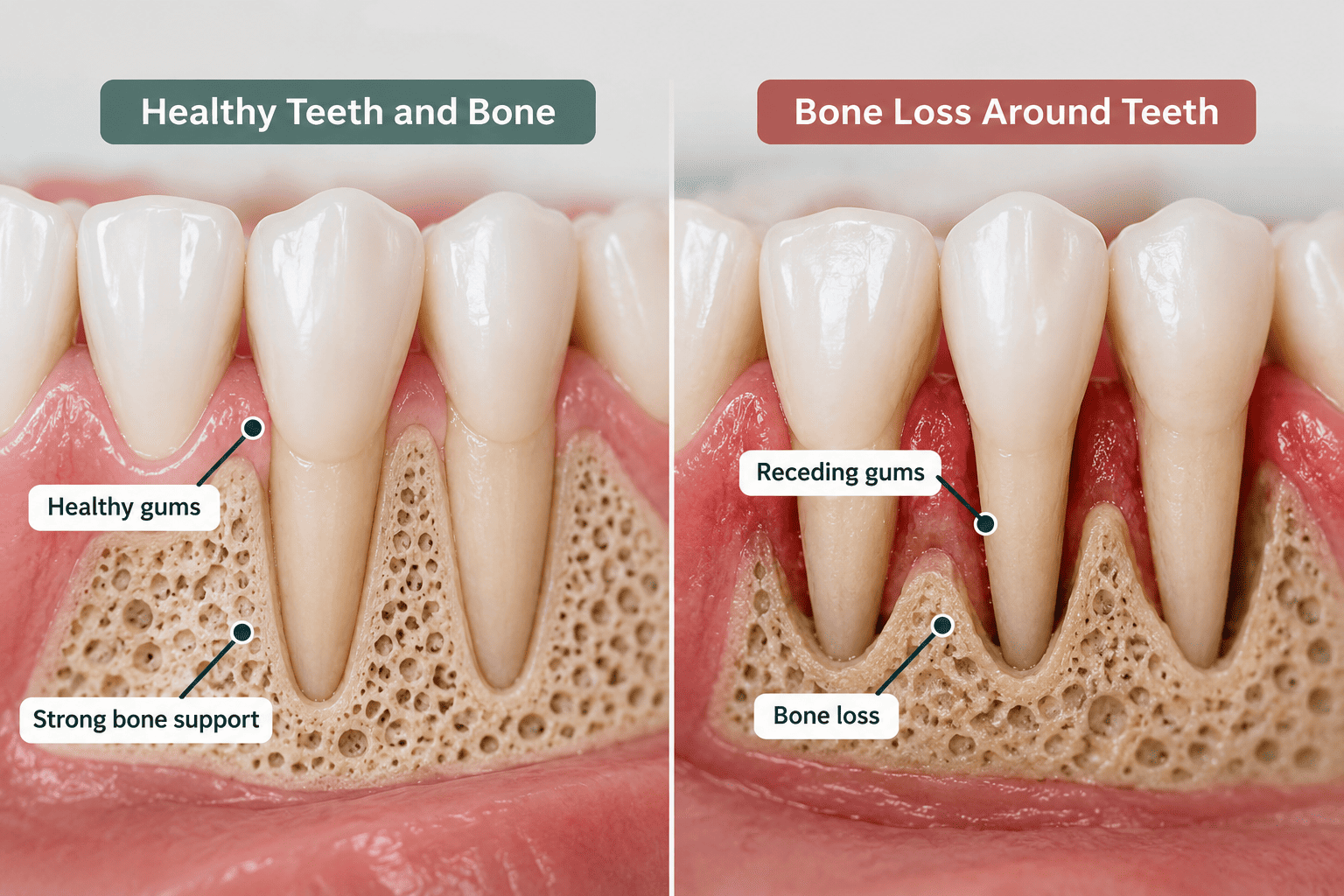
2. Bone Loss Around Teeth
Your teeth are supported by the jawbone and surrounding tissues. Long-term gum infection, untreated dental problems, or certain health conditions can lead to bone loss around the teeth, causing them to feel loose.
Bone loss usually develops slowly, and many people do not notice it until tooth movement begins. Regular dental check-ups help detect changes early and prevent further progression.
3. Tooth Injury or Trauma
A sudden impact or injury can damage the structures that hold a tooth in place. Accidents, sports injuries, or biting on very hard objects may cause a tooth to become loose.
A loose tooth after an injury should be checked by a dentist, even if there is no severe pain. Early treatment can sometimes help stabilise the tooth and prevent permanent damage.
4. Teeth Grinding and Excessive Pressure
Teeth grinding (bruxism), especially during sleep, can put excessive pressure on your teeth and supporting tissues. Over time, this continuous pressure may contribute to tooth sensitivity, enamel damage, and tooth mobility.
Signs that you may be grinding your teeth include:
- Jaw discomfort
- Morning headaches
- Worn-down teeth
- Tooth sensitivity
A dentist can recommend suitable solutions to reduce pressure on your teeth and protect your smile.
5. Tooth Decay or Infection
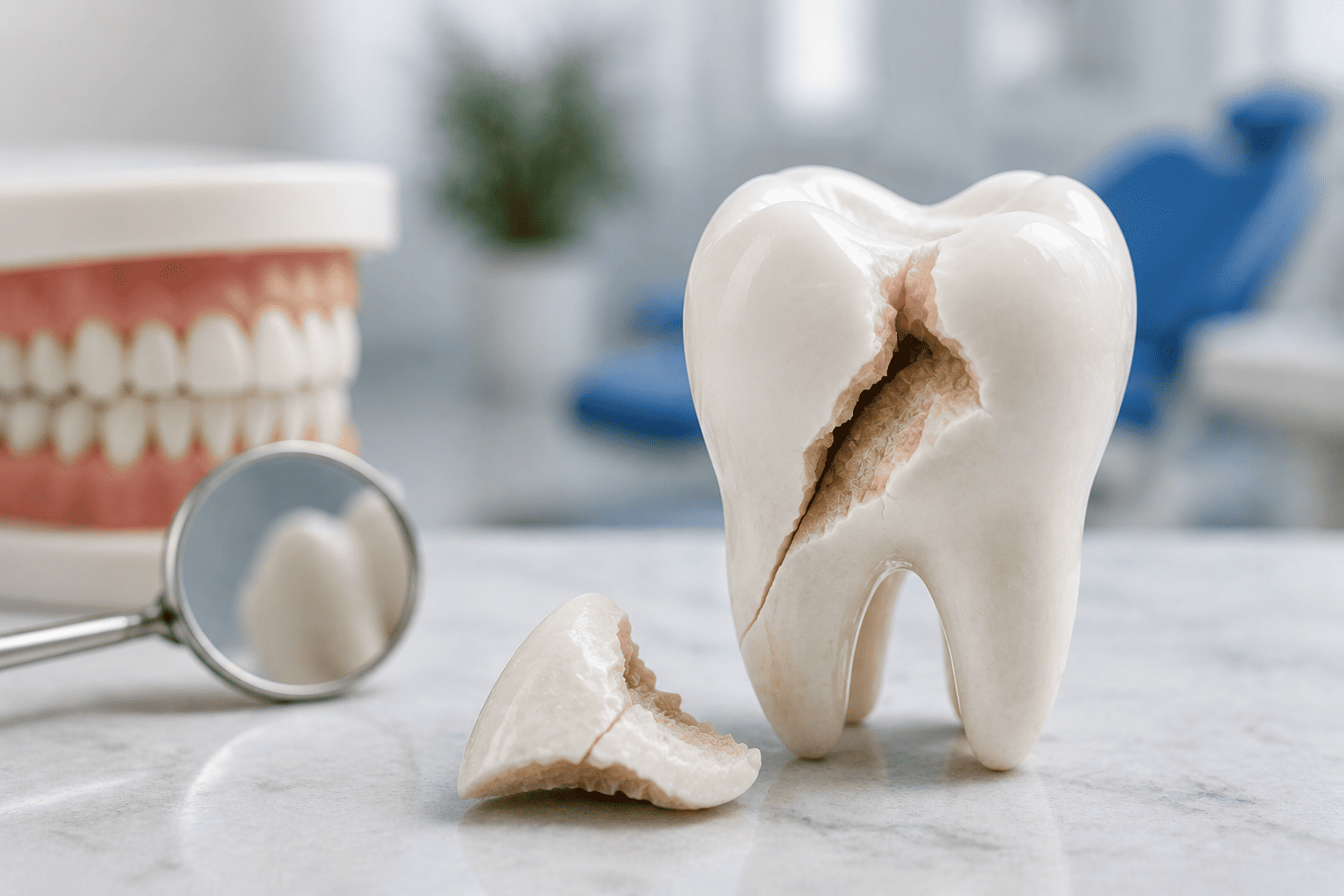
Deep cavities and untreated infections can weaken the structure of a tooth. When decay reaches deeper layers, it may affect the strength and stability of the tooth.
A tooth affected by infection may also show symptoms such as:
- Tooth pain
- Swelling
- Sensitivity
- Pain while chewing
Timely treatment can help prevent further damage and improve the chances of saving the affected tooth.
Can a Loose Tooth Become Tight Again?
Whether a loose tooth can become stable again depends on the cause and severity of the problem. If looseness is caused by mild gum inflammation or temporary trauma, proper treatment may help improve stability.
However, if there is significant bone loss or advanced gum disease, the treatment approach may be more complex. A dentist can evaluate the condition of your gums, teeth, and supporting bone to suggest the most suitable solution.
What Should You Do If Your Tooth Feels Loose?
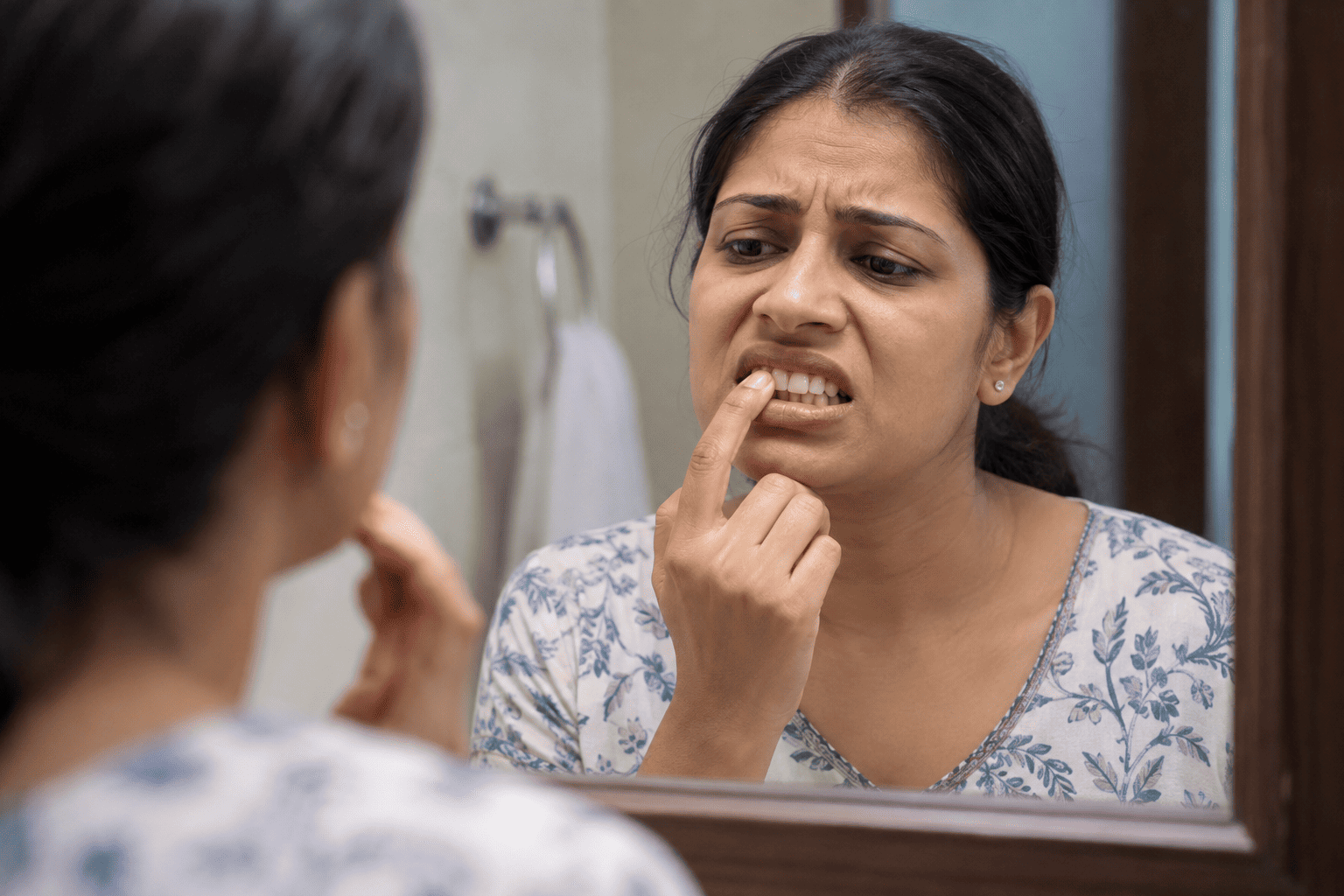
If you notice that your tooth feels loose, avoid ignoring the problem or trying to move the tooth repeatedly with your tongue or fingers. This can increase irritation and discomfort.
Maintain good oral hygiene by brushing gently, flossing regularly, and keeping the area clean. Most importantly, schedule a dental examination to identify the reason behind the tooth movement.
Early treatment can help prevent the condition from worsening and may help preserve your natural teeth.
When Should You Visit a Dentist?
You should consult a dentist if you notice:
- A tooth becoming loose without an injury
- Bleeding or swollen gums
- Pain while chewing
- Gum recession
- Teeth shifting position
- Persistent bad breath
A professional examination can identify whether the issue is related to gums, bone support, infection, or another dental condition.
How DentoXpert Can Help With Loose Teeth
At DentoXpert Dental Clinic in Thane, loose teeth are evaluated using a detailed dental examination to identify the underlying cause. The treatment plan depends on the condition of the teeth, gums, and supporting structures.
Depending on the diagnosis, treatment may include Full Mouth Scaling and Polishing for gum health, Gum Treatment for periodontal problems, Root Canal Treatment for infected teeth, or restorative procedures to strengthen damaged teeth .
With advanced dental care and a patient-focused approach, DentoXpert helps patients manage dental problems effectively and protect their natural smile.
Conclusion
Loose teeth in adults should not be ignored, as they may indicate gum disease, infection, injury, or other dental problems. Early diagnosis and timely treatment can help prevent further damage and maintain healthy teeth.
If you are experiencing loose teeth in Thane, consult DentoXpert Dental Clinic for professional evaluation and personalised dental care.