What Is an Oral Mucocele?
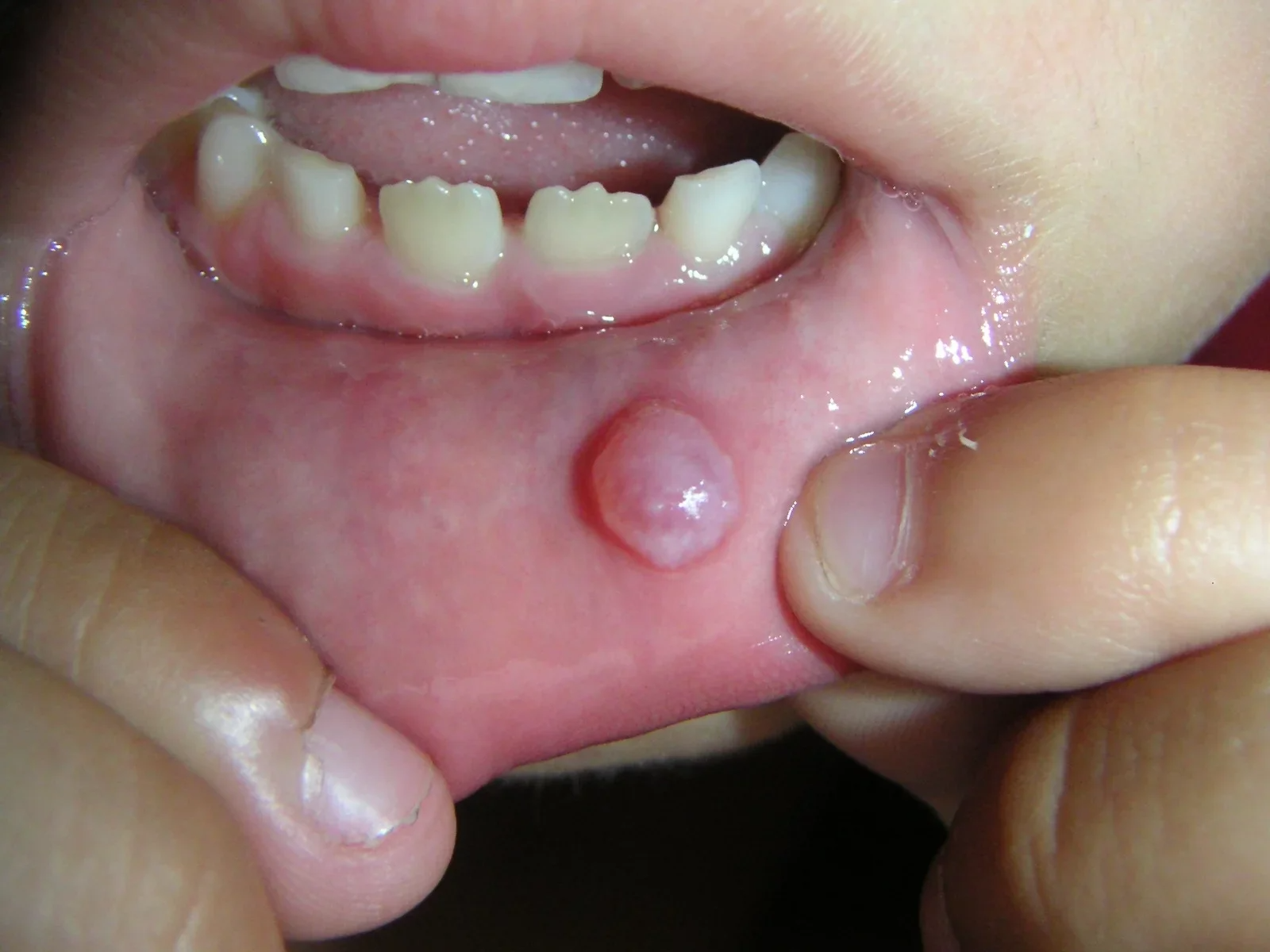
A mucocele is a fluid-filled swelling that develops when saliva accumulates in the tissues surrounding a salivary gland or its duct. It is commonly associated with the minor salivary glands found inside the lips, cheeks and other areas of the mouth.
The swelling may develop when a salivary gland duct becomes damaged, blocked or injured. Mucoceles are frequently noticed on the lower lip, particularly after accidental lip biting or repeated trauma.
A mucocele often appears as a soft, painless and smooth swelling inside the mouth. Persistent or repeatedly recurring swellings should be examined by a dentist.
Types of Mucocele
Oral mucoceles are generally classified into two main types depending on how the saliva collects in the surrounding tissues.
1. Retention Mucocele
A retention mucocele occurs when the salivary gland duct becomes obstructed and saliva cannot flow normally through the duct. The blockage can cause saliva to accumulate and form a swelling.
2. Extravasation Mucocele
An extravasation mucocele develops when trauma or injury damages a minor salivary gland duct. Saliva may then escape into the surrounding tissue and produce a localised swelling.
Trauma may occur due to accidental biting of the lip or cheek, repetitive oral habits or irritation during a dental or surgical procedure.
Common Causes of Oral Mucocele
- Accidental biting of the lower lip or cheek.
- Repeated trauma to the soft tissues of the mouth.
- Injury to a minor salivary gland.
- Damage or obstruction of a salivary gland duct.
- Habitual lip biting or irritation.
- Trauma associated with dental or oral procedures.
Symptoms and Features of a Mucocele
The appearance of a mucocele may vary depending on its depth, location and duration.
- Extravasation mucoceles are commonly seen on the lower lip.
- The swelling is often painless.
- It may appear soft, smooth and fluctuant when touched.
- Superficial mucoceles may appear bluish or translucent.
- Deeper mucoceles may have the same colour as the surrounding oral mucosa.
- Some mucoceles may feel firm when located deeper in the tissue.
- The swelling may increase and decrease in size periodically.
- Some mucoceles may rupture and later develop again.
Where Can a Mucocele Occur?
Mucoceles can develop in different parts of the mouth where minor salivary glands are present.
- Lower lip
- Inner cheek
- Floor of the mouth
- Palate
- Tongue and surrounding oral tissues
The lower lip is one of the most commonly affected locations, particularly in cases related to trauma or habitual lip biting.
How Is a Mucocele Diagnosed?
A dentist generally evaluates the location, colour, consistency, size and history of the swelling. Information about recent trauma, lip biting or recurrence can also help with diagnosis.
Because several oral conditions may resemble a mucocele, persistent swellings should be professionally examined instead of being self-diagnosed.
Mucocele Treatment in Thane
Treatment depends on the size, location, symptoms and recurrence of the mucocele. Small lesions may sometimes rupture or reduce, while persistent or repeatedly recurring mucoceles may require professional treatment.
Surgical Removal
Surgical excision may be recommended for a persistent or recurrent mucocele. The affected tissue and associated minor salivary gland may be treated to reduce the possibility of recurrence.
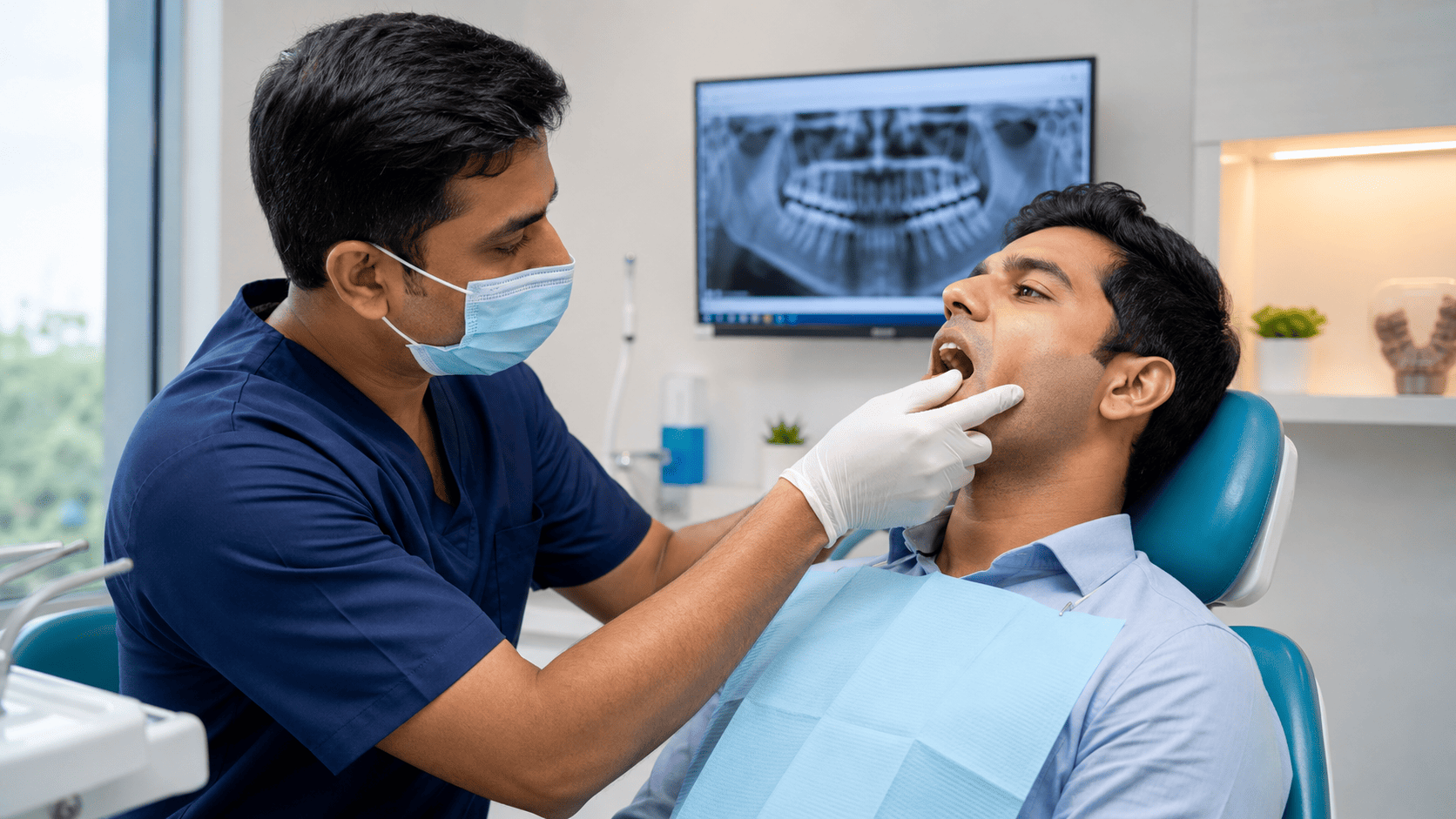
Patients with a recurring lip or mouth swelling can visit DentoXpert Dental Clinic in Thane for examination and an appropriate treatment recommendation based on the clinical findings.
Do not repeatedly bite, puncture or attempt to drain an oral swelling yourself. Seek a dental examination if the swelling persists, becomes painful, repeatedly returns or changes in size or appearance.
When Should You Visit a Dentist?
Consider scheduling a dental examination if you notice a swelling inside your mouth that does not disappear, repeatedly comes back, becomes uncomfortable or interferes with eating and speaking.
Early professional evaluation helps determine whether the swelling is a mucocele or another oral condition requiring different management.
Conclusion
An oral mucocele is commonly associated with damage or obstruction of a salivary gland duct and frequently affects the lower lip. Although many mucoceles are painless, recurrent or persistent swellings should be assessed by a dentist.
If you have noticed an unexplained lip or mouth swelling, DentoXpert Dental Clinic in Thane can evaluate the condition and recommend suitable treatment based on the diagnosis.
Frequently Asked Questions
What is a mucocele?
A mucocele is a saliva-filled swelling that develops when a salivary gland duct becomes damaged or obstructed and saliva collects in the surrounding tissue.
Is an oral mucocele painful?
Many oral mucoceles are painless, although larger or repeatedly traumatised swellings may cause discomfort or interfere with normal oral functions.
Why does a mucocele occur on the lower lip?
The lower lip contains several minor salivary glands and is frequently exposed to accidental biting and trauma, making it a common location for mucoceles.
Can a mucocele come back after treatment?
Recurrence is possible, particularly if the affected salivary gland or the source of repeated trauma remains. Your dentist will recommend treatment based on the individual case.
Where can I get mucocele treatment in Thane?
You can consult DentoXpert Dental Clinic in Thane for evaluation of an oral swelling and advice regarding appropriate mucocele treatment.